Learn how to split camping costs into one-time gear and per-trip expenses, so you know what a cheap camping trip really needs and which purchases to skip.
Camping on a Budget — Where the Money Actually Goes — Quick Comparison

Camping Journal

Collapsible Portable Ultra Bright LED Camping Lantern 1500

Kootek Camping Hammock 400lbs Capacity Outdoor Camping
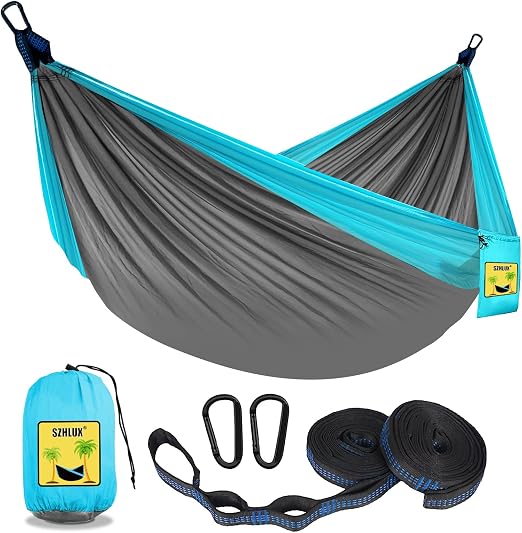
SZHLUX Camping Hammock Double & Single Portable Hammocks

UCO Camping Mess Kit with Bowl

Portable Camping Kitchen Utensil Set-27 Piece Cookware Kit
Prices and ratings last checked Nov 27, 2026 and can change at any time. Confirm the current price on Amazon before buying.
How much does camping cost? It depends less on where you go than on how you split your spending. Every camping budget breaks into five categories: site, gear, food, fuel, and transport. Some are one-time purchases you pay once and use for years. Others come back every trip. A cheap camping trip comes from knowing which is which, so you don't overspend on the recurring costs or buy one-time gear you didn't need.
This guide walks through each category, shows where beginners waste money, and covers a few low-cost items that stretch a small budget.
One-Time Costs vs Per-Trip Costs
Sort every expense into one of two buckets before you spend anything.
One-time (or rare) costs:
- Shelter: tent, tarp, or hammock
- Sleep system: sleeping bag, pad, pillow
- Kitchen kit: stove, pot, utensils, mess kit
- Lighting: lantern or headlamp
- Water containers and a filter or other treatment method
Per-trip costs:
- Campsite or permit fees
- Food
- Stove fuel, firewood, and ice
- Gas and vehicle wear
- Park entrance or day-use fees
The trap for affordable camping for beginners is treating the first bucket as urgent. People spend heavily on gear before they know what kind of camping they like, then find the per-trip costs are what actually limit how often they go.
The Site: The Most Variable Cost
Campsite fees range from free to surprisingly expensive, and they change by season, location, and amenities. Rather than trusting a number from a blog post, check these sources directly:
- Recreation.gov for federal campgrounds, including national forests and many national park sites
- Your state parks website for state campground rates and reservation windows
- Local Bureau of Land Management and Forest Service district offices for dispersed camping rules and any permit requirements
- Park and county websites for regional parks, which are often overlooked and less crowded
The biggest saving here is free dispersed camping on public land. Many national forests and BLM areas allow camping outside developed campgrounds at no charge. You give up toilets, water spigots, and picnic tables, so you need to pack out trash and bring or treat your own water. Our guide on how to find free campsites covers the apps, maps, and ranger-station calls that turn up legal spots.
Gear: Borrow and Rent Before You Buy
Gear is where beginners overspend, and it's the easiest place to save.
Borrow first. Friends and family often have a tent, a cooler, or a camp stove sitting in a garage. One borrowed weekend tells you more about what you need than any review.
Rent the expensive items. Outdoor co-ops, university outdoor programs, and some local gear shops rent tents, sleeping bags, and stoves. Renting a quality item for one trip beats buying a cheap one you'll replace.
Buy the cheap, personal items. Things that are inexpensive, hard to borrow, or used every trip are worth owning early: a mess kit, utensils, a light source, a camp journal for tracking what worked.
For a full list of what a minimal kit looks like, see our cheapest camping setup for beginners.
One warmth note, because it's a common budget mistake: don't count cotton hoodies or jeans as warmth layers. Cotton holds moisture and loses its insulating value when damp. Fleece, wool, or synthetic layers are the safer budget choice for cool nights.
Food: Simple Cooking Saves the Most
Food is a per-trip cost, and it grows with ambition. Elaborate camp menus mean more ingredients, more ice, more fuel, and more gear.
Ways to keep it cheap:
- Plan one-pot meals. Pasta, rice dishes, chili, and oatmeal need one pot and little fuel.
- Prep at home. Chopping vegetables and pre-mixing dry ingredients cuts waste and cooking time at camp.
- Buy from the grocery store, not the gas station near the park. Prices climb the closer you get to popular campgrounds.
- Store food properly. Keep it in a vehicle, a bear canister, or a provided food locker as local rules require. Never store food in your tent.
Fuel: Small Amounts Add Up
Stove fuel, firewood, and ice are small per-trip costs that add up over a season. Simple meals cut fuel use. Buy firewood locally, near your campsite, since many areas restrict transporting firewood to prevent the spread of pests; check the park's rules before you go. Use stoves, grills, and any fuel-burning device only outdoors in open air, never inside a tent or closed vehicle, because of carbon monoxide and fire risk.
Transport: The Hidden Biggest Cost
For many people, gas is the largest per-trip expense, larger than the site itself. Check current fuel prices with an app like GasBuddy, and weigh a closer campground against a famous one hours away. Carpooling splits the cost, and a nearby site means you can go more often.
How to Choose Budget Gear That's Worth Buying
When you do buy, use these filters:
- Will you use it every trip? Mess kits, utensils, and lights pass. Specialty gadgets usually don't.
- Does it replace something? A rechargeable lantern removes the ongoing cost of disposable batteries.
- Is it hard to borrow? Personal eating gear is easier to own than share.
- Does the listing state what you need? Trust only stated capacities and features, not vague marketing.
The Picks
Camping Journal, A5, Dark Green
A camp journal sounds like a luxury, but it's a quiet budget tool. Logging which sites were free, what gear you missed, what you over-packed, and what each trip actually cost tells you where your money goes. This one is A5-sized and marketed for camping, RV travel, and hiking, so it fits in a pack or glovebox.
Check the Camping Journal on Amazon
Collapsible LED Camping Lantern, 1500 Lumens
The listing states a 1500-lumen output, USB-C recharging, five modes, and three light sources, and the lantern collapses for packing. Rechargeable lighting cuts the per-trip battery cost, and it doubles as an emergency light during power outages at home. Because it's LED, it's a suitable light for inside the tent, unlike any fuel-burning lantern.
Check the Collapsible LED Camping Lantern on Amazon
Kootek Camping Hammock
A hammock gives you a lounging spot at camp without buying a camp chair. The Kootek is a single hammock with a listed capacity of 400 lbs. It's a good one-time purchase if you camp where there are sturdy trees. Use wide straps to protect bark and follow any local rules on hanging from trees.
Check the Kootek Camping Hammock on Amazon
SZHLUX Camping Hammock
If you're camping with a partner or kids, the SZHLUX comes in double and single versions. The listing includes two tree straps and an attached carry bag, so you don't need to buy suspension separately, which is a common hidden cost with budget hammocks.
Check the SZHLUX Camping Hammock on Amazon
UCO Camping Mess Kit
Eating off paper plates every trip is a recurring cost that also creates trash to pack out. The UCO kit bundles a bowl, plate, collapsible cup, and the Switch spork, which covers one person's eating gear in a single purchase. It's an ideal "buy your own" item since it's personal and used every meal.
Check the UCO Camping Mess Kit on Amazon
Portable Camping Kitchen Utensil Set, 27 Piece
Instead of raiding your home kitchen drawers (and forgetting the spatula), this 27-piece stainless steel set comes with an organizer case that stays packed with your camp gear. It's marketed for camping, RVs, picnics, and BBQs, so it earns its place even between trips.
Check the Portable Camping Kitchen Utensil Set on Amazon
Verdict
Camping on a budget isn't about finding the cheapest tent. It's about controlling the costs that repeat. Start by finding free or low-cost sites and camping closer to home to cut transport. Borrow or rent big-ticket gear until you know what you like. Cook simple meals to save on food and fuel.
Then spend your one-time money on small items you'll use every trip: a mess kit, a utensil set, and a rechargeable lantern pay back fastest. Add a hammock if you want camp comfort without a chair, and keep a journal so each trip makes the next one cheaper.
Related guides: How to Start Camping With No Gear · Dispersed Camping for Beginners — How to Camp Free on Public Land · 7 Days of Budget Camping Meals — $50 Total Food Budget
Keep reading