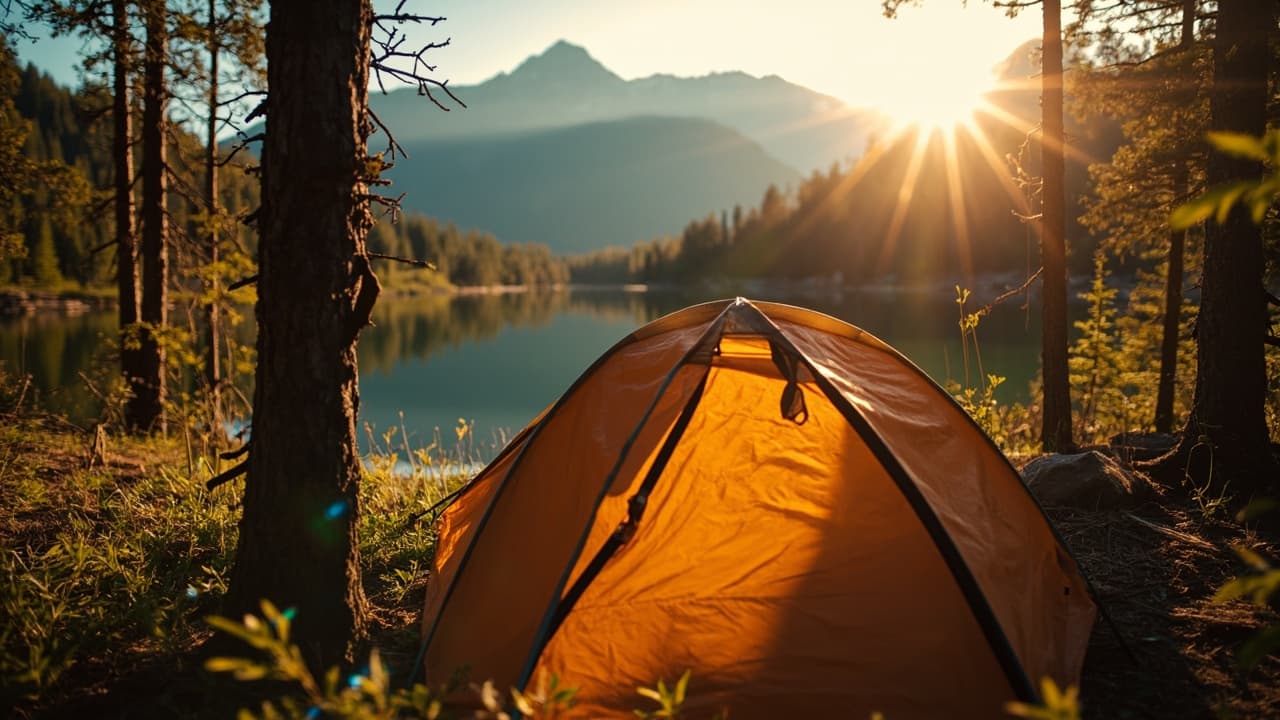
Master essential off-grid skills, choose portable gear for self-sufficiency, and navigate regulations to enjoy safe, cost-free trips on US public lands.
Dispersed Camping for Beginners — How to Camp Free on Public Land — Quick Comparison

FLY2SKY Portable LED Gear Camping Lights with Clip Hook

Lepro LED Camping Lantern with 3 Light Modes

Eveready LED Camping Lantern X-250
National Forest Camping: Directory of 4
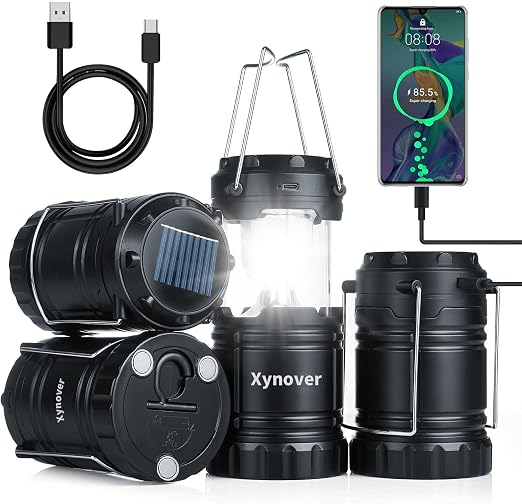
4-Pack Solar Camping Lanterns

Odoland 1L Heat Exchanger Backpacking and Camping Stove
Prices and ratings last checked Oct 9, 2026 and can change at any time. Confirm the current price on Amazon before buying.
Dispersed camping lets you trade crowded campgrounds for quiet forests, star-filled skies, and zero fees. On U.S. national forests and Bureau of Land Management lands, you can pitch a tent almost anywhere—provided you know the rules and bring the right gear. This guide covers what dispersed camping is, how to choose your setup, and the essentials you need to camp successfully on public land.
What Is Dispersed Camping?
Dispersed camping means camping outside designated campgrounds on public land. On national forests and BLM territories, you can typically camp for free in most areas, usually with a 14-day stay limit. No reservations, no reservations fees, no campground hosts—just you and the outdoors.
The trade-off is self-sufficiency. There are no restrooms, no trash service, no water spigots, and often no cell signal. You pack in what you need and pack out everything else. This freedom is what draws experienced campers, and it is entirely accessible to beginners who prepare properly.
How to Choose Dispersed Camping Gear
Dispersed camping demands gear that is portable, self-contained, and reliable. Focus on three priorities:
Lighting — Without campground lamps or nearby neighbors, you need your own illumination. Battery-powered lanterns handle interior tent lighting while headlamps keep your hands free for tasks after dark.
Navigation and Planning — Unlike campgrounds, there are no signs marking good spots. Printed resources showing national forest boundaries, designated camping corridors, and access roads are essential.
Cooking — Campground grills and picnic tables do not exist. A compact stove system that boils water quickly and collapses for travel replaces these amenities.
Durability matters more than luxury in the backcountry. Your gear must survive variable weather, rough terrain, and the occasional bump against a tree root. Prioritize simplicity over features—you do not need Bluetooth-enabled anything when you are 10 miles from the nearest road.
Dispersed Camping Essentials
Lighting
Illumination is non-negotiable. A quality lantern inside your tent provides enough ambient light for cooking, sorting gear, or reading before sleep. The FLY2SKY Portable LED Gear Camping Lights clip onto tent loops, gear loops, or tree branches, making them versatile for both interior and exterior use. Their battery-powered design means no fuel to hunt down in remote locations.
For broader coverage, the Lepro LED Camping Lantern offers three light modes to match your activity—bright for cooking, dim for relaxing, or flashing for emergencies. Four units in a pack let you illuminate multiple areas: tent, cooking spot, and the path to your car.
If you want rugged durability, the Eveready LED Camping Lantern X-250 is built with a rugged housing that resists drops and water exposure. The extended battery runtime means fewer battery changes during longer stays. A red-light mode preserves night vision while providing enough visibility to move around camp safely.
Solar charging reduces battery dependency, which matters when you are off-grid for multiple nights. The 4-Pack Solar Camping Lanterns recharge via USB in addition to solar, giving you backup charging options if clouds linger. Their magnetic bases stick to car hoods or metal tent poles, while collapsible bodies pack flat in a backpack.
Navigation and Planning Resources
Finding legal dispersed camping areas requires homework before you leave home. The National Forest Camping directory lists over 4,000 designated camping areas across 141 forests in 42 states. While it covers designated sites, it also identifies forests where dispersed camping is permitted, helping you narrow your search before you drive hours into remote territory.
Print relevant pages or sections before your trip. Cell service rarely exists in dispersed camping zones, making digital resources unreliable when you need them most.
Cooking
A reliable stove is the heart of your kitchen. The Odoland 1L Heat Exchanger Backpacking and Camping Stove combines pot and burner into one unit, eliminating the need to carry separate components. The included pot stand keeps things stable on rocks, sand, and uneven ground, and the dual-pot design supports varied outdoor cooking so you can prepare real meals rather than just rehydrating packets. The integrated heat exchanger boils water quickly using less fuel, ideal for dehydrated meals on multi-day trips.
Dispersed Camping Tips
Arrive Early — Scout your area during daylight. Pull over at trailheads or forest roads, assess the ground for level tent placement and overhead clearance, and set up before sunset.
Leave No Trace — Pack out all trash, including food scraps. Use established fire rings if available, or pack a portable fire ring to protect ground surfaces. Stay 200 feet from water sources.
Know Your Limits — Dispersed camping areas have no rangers on duty. Tell someone your plans, including expected return date and general location.
Check Weather — Exposed areas offer no shelter from sudden storms. Understand the terrain and weather patterns before committing to a spot.
The Verdict
Dispersed camping rewards preparation. For lighting, the Lepro LED Camping Lantern four-pack provides the best combination of versatility and quantity for a beginner setting up their first off-grid camp. The National Forest Camping directory is the single most valuable planning resource, turning hours of online research into a compact reference guide. The Odoland 1L Heat Exchanger Backpacking and Camping Stove replaces multiple pieces of cooking gear with one reliable system that nests completely inside the pot for silent carry and performs consistently in variable conditions.
Start with these three, add your shelter and sleeping bag, and you have everything you need to camp free on public land.
For more camping guidance, explore our related guides on how to find free campsites and the best time of year to camp for free.
Keep reading