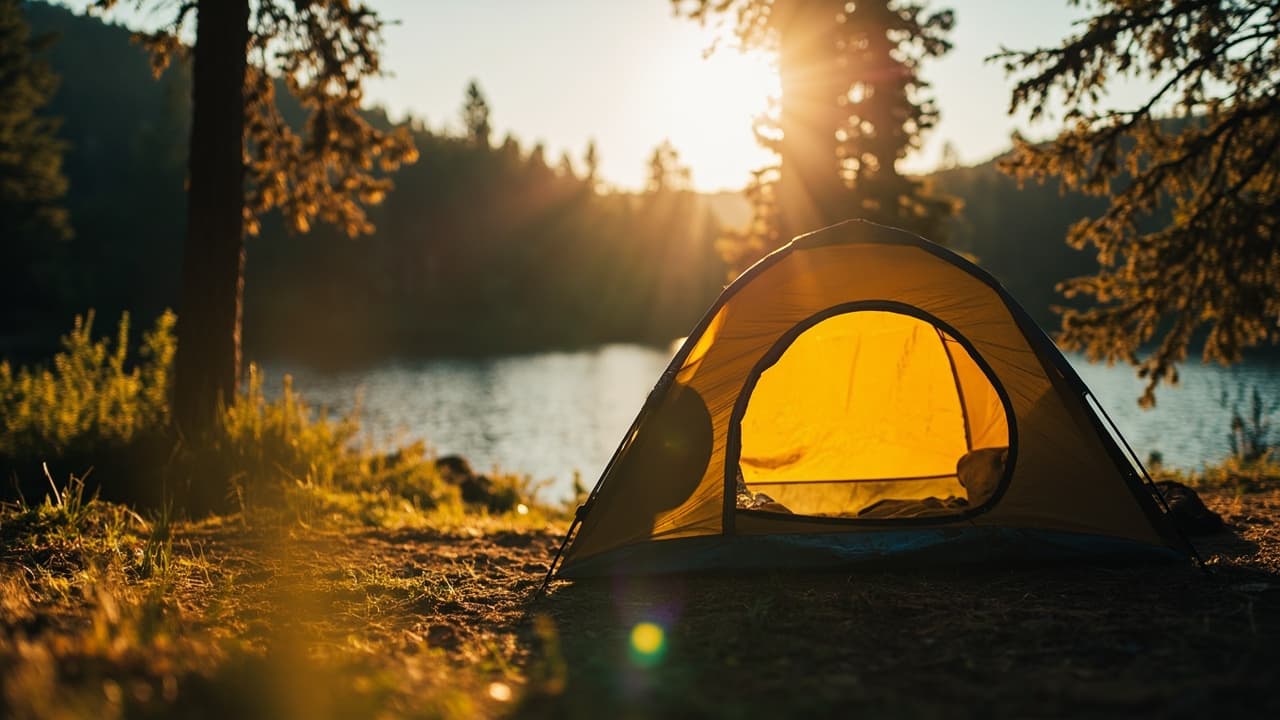
Seasonal strategies can dramatically extend your free camping season. Here's when and where to go for maximum value.
Best Time of Year to Camp for Free — Quick Comparison

Coleman Tents Coleman Sundome Tent
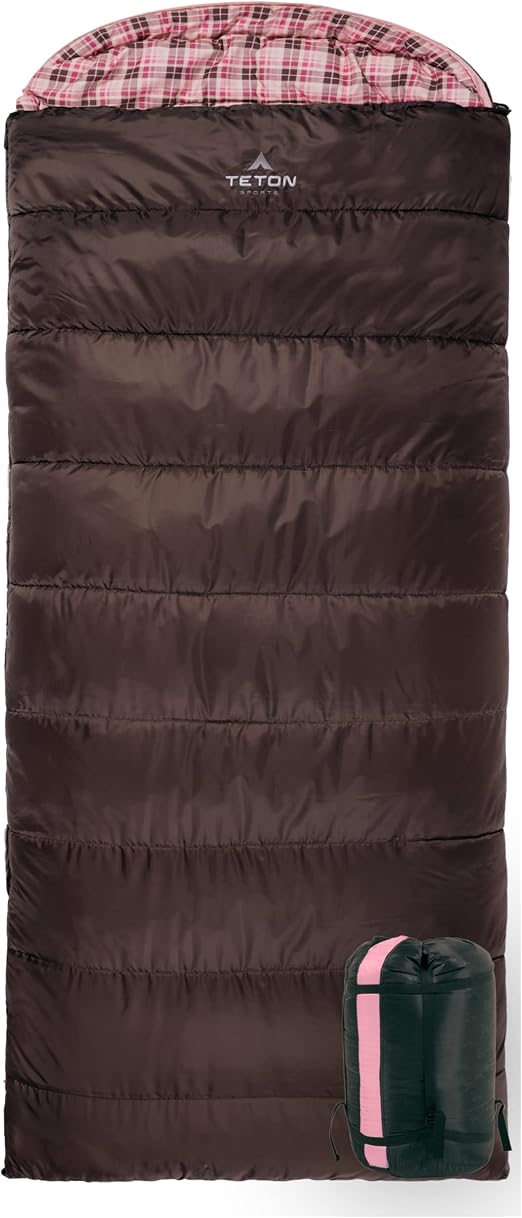
Teton Celsius Regular

Klymit Static V Sleeping Pad Green

Stanley Adventure Stainless Steel Camping Cooking Set

Squeeze Water Filtration System

BLACK DIAMOND Spot 400-R Headlamp
Prices and ratings last checked Oct 9, 2026 and can change at any time. Confirm the current price on Amazon before buying.
Camping without paying for a campsite comes down to three things: where you go, how willing you are to handle weather swings, and how crowded the area gets. The fee waiver on many public lands, the lower traffic during shoulder seasons, and the wider window of mild weather all change by month. Picking the right window is the single biggest money-saver in budget camping, and it also shapes every piece of gear you bring.
Why Timing Matters More Than Location
Free camping usually means dispersed camping on public land — national forests, BLM (Bureau of Land Management) parcels, and certain wildlife management areas. These places are open year-round but access changes with the calendar. Gates close when snow arrives, fire restrictions tighten through dry months, and ranger districts lock out roads entirely during sensitive wildlife seasons like elk calving or raptor nesting. Showing up at the wrong time can mean a legal site but a blocked road, a fire ban that stops your cook kit cold, or a meadow that turned to mud a month ago.
The reverse is just as true. Hit the right window and you get: open forest roads, no reservation system, walk-in sites with no one next to you, and weather mild enough that you only need light layering at night. That's the free-camping sweet spot, and it lands in the shoulder seasons more than anywhere else.
The Short Answer: Spring and Fall Shoulder Seasons
The two best stretches for free camping, almost anywhere in the lower 48, are mid-spring (late April through May in the South, mid-May through early June in the Rockies and higher elevations) and mid-fall (mid-September through late October, depending on latitude). In these windows you get:
- Roads that have dried out from winter snowmelt or before the first heavy snow.
- Campers who haven't committed to a full season yet, so dispersed areas stay quiet.
- Cool nights that require a real bag, not a heavy-duty winter system.
- Long enough daylight to set up before dark and tear down without a headlamp.
- Few fire restrictions in spring, and the most relaxed fire restrictions of the year in fall after Labor Day rains typically settle the worst of the dry season.
Summer is the most crowded and often the most regulated. Winter is the cheapest in terms of solitude but the most expensive in terms of gear. Spring and fall are where free camping pays off best.
How to Choose the Right Month for Your Region
There is no single best month because free camping spans very different climates. Match the season to your region instead of chasing a national date.
Lower elevations in the South and Southwest. The best window is November through early April. Summers are brutally hot at low elevations, and monsoon humidity makes gear storage miserable. Winter in the desert is the magic window: dry, clear, mild days, cold nights. Many long-term campers in Arizona, New Mexico, and Texas specifically chase winter free camping on BLM land.
Mid-Atlantic, Southeast, and Gulf Coast. Late October through mid-December is the peak free-camp window, followed by February through April. The fall mosquito die-off and the comfortable daytime highs make fall a quiet, beautiful time. Avoid August entirely — heat, humidity, hurricanes, and biting insects make it a poor choice for budget travelers who don't want to over-buy gear.
Midwest and Mid-Atlantic interior. May through early June and mid-September through October. Both windows dodge summer humidity and winter snow. Rivers and lakes make for great free camping in spring (just check seasonal road closures).
Mountain West and Rockies. Late June through mid-September for higher-elevation sites. The catch: this is also peak dispersed traffic. Snow lingers at high elevations into July. If you want solitude and don't mind cold nights, the first two weeks of June (after snowmelt on main roads) and the last two weeks of September (after Labor Day crowds leave) are the sleeper windows for free camping in places like Colorado, Wyoming, and Montana.
Pacific Northwest and Northern California. July through October — and only if you're ready for rain. This region is the trickiest for free camping because of year-round precipitation and aggressive fire restrictions in dry years. Fall can be spectacular but expect wet tents, muddy roads, and cold nights well below freezing in October.
Northeast and Great Lakes. Late May through mid-June is the sweet spot. Mosquitoes and blackflies are still tolerable, foliage hasn't come in to block views, and water levels are usually reasonable. Fall is beautiful but the cold sets in early.
A Few Timing Rules That Apply Everywhere
- Call the local ranger district two weeks before you go. Road closures, fire bans, and wildlife closures change every week in shoulder seasons.
- Aim for midweek arrivals whenever you can. Free sites fill on Friday nights and empty on Tuesday mornings.
- Watch the weather a week out, not a day out. Spring and fall forecasts shift often; one cold snap can mean 20-degree nights.
- Layer your sleep system for the worst night of the forecast, not the average. A bag rated to a specific temperature is the rated lower limit, not the comfort rating.
- Build in a backup plan. Free camping often means backing up a forest road for an hour if the first sites are taken.
The Gear That Makes Shoulder-Season Free Camping Work
The right window is half the battle. The right gear turns a chilly shoulder-season night into a comfortable one. Here's the kit that handles spring and fall swings without over-spending.
Shelter
A reliable, easy-pitch dome tent is the foundation of any free-camp setup. The Coleman Sundome Tent is a go-to for budget travelers — it's straightforward to set up in fading daylight, handles light wind in exposed clearings, and has enough interior space for two adults plus a pack. For shoulder seasons, make sure you include a footprint or heavy-duty ground tarp underneath; spring ground can be saturated and fall leaf litter hides sharp sticks.
Sleep System
Free camping in spring and fall almost always means nights in the 30s or 40s. A versatile bag that covers a wide temperature range is the single most important purchase here. The Teton Celsius Sleeping Bags come in multiple temperature ratings, so you can match your bag to your region and time of year. The 25F version works for most shoulder-season trips below 7,000 feet; the 0F version is for higher elevations or late-fall northern trips. As a rule, buy for the coldest night you realistically expect, not the average.
Sleep Pad
Insulation from the ground matters more than insulation from the air. A sleeping pad with a solid R-value cuts cold seeping up from below and turns a marginal night into a comfortable one. The Klymit Static V packs small, inflates in seconds, and adds meaningful warmth under a colder-rated bag. Pair it with a closed-cell foam pad underneath if you're going into frost season.
Cookware
You'll cook dinner and breakfast every morning on free camping trips, so a kit that handles both real cooking and quick boil-ups is worth investing in. The Stanley Adventure Camping Cook Set nests into itself, fits over a small backpacking stove, and doubles as your dish cleanup. Stainless steel is durable enough to abuse over rough forest roads.
Water
Don't trust any backcountry water source you find while dispersed camping — even in clear mountain streams. A reliable filtration setup keeps you out of trouble. The Squeeze Water Filtration System is fast, easy to backflush, and small enough to live at the top of your pack. Spring snowmelt and fall leaf-drop both spike turbidity, so a filter that handles silty water is worth its weight.
Light
If you're arriving late or making an early break-down, a reliable headlamp is non-negotiable. The BLACK DIAMOND Spot 400-R is rechargeable (so no scrambling for batteries in a small town), dimmable, and bright enough to light up a tent, a cook area, or a walk to the vault toilet. Recharge before every trip and you'll never be stuck with a dead lamp at midnight.
How to Pick Your Travel Dates
Here's a quick system for nailing down your trip dates:
- Pick a region and a two-week window.
- Check the average overnight lows for that window at your target elevation.
- Pick gear that covers the lowest forecast temp.
- Call the managing ranger district for road and fire status.
- Plan to arrive on a Tuesday or Wednesday for the best site availability.
- Build in one backup destination in case your first choice is closed.
Verdict
The best time of year to camp for free is late spring (May–early June) or mid-fall (mid-September–late October) in most of the U.S. — adjusted by elevation, latitude, and a quick call to the local ranger district. Winter in the desert and high summer in the mountains are the exceptions worth chasing. Pair the right window with a shelter like the Coleman Sundome Tent, a versatile temperature-rated bag such as the Teton Celsius, a warm pad like the Klymit Static V, a cook kit in the Stanley Adventure set, the Squeeze Water Filtration System, and a rechargeable BLACK DIAMOND Spot 400-R headlamp, and you've got a kit that handles every free-camp trip from spring through late fall.
Related guides: How to Find Free Campsites · Dispersed Camping for Beginners — How to Camp Free on Public Land · Budget Camping Hacks That Actually Work
Keep reading