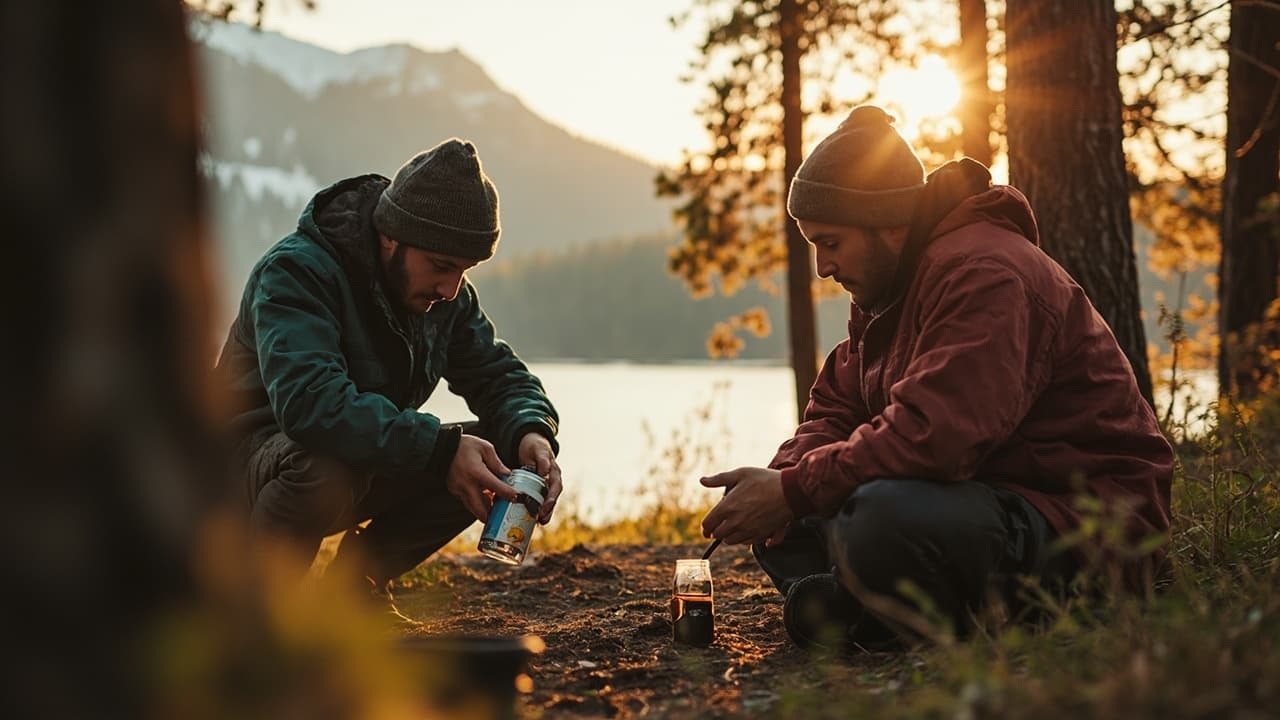
Learn how to pick the right sleeping pad, bag, and shelter R-values so your first cold-weather camping trip stays warm and safe from trailhead to tent.
Winter Camping for Beginners — What to Get Right Before You Go — Quick Comparison

GEERTOP 2 Person Backpacking Tent

Clostnature 4 Season Backpacking Tent

1/2 Person 4 Season Backpacking Tent

BISINNA 4 Season Tent for Backpacking Winter Tents 2 Person

1/2 Person Backpacking Tent for 4 Season
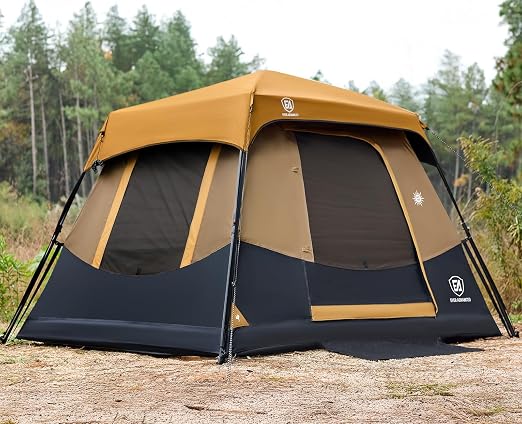
EVER ADVANCED 4 Person Blackout Camping Tent
Prices and ratings last checked Oct 8, 2026 and can change at any time. Confirm the current price on Amazon before buying.
Winter camping is not summer camping with a warmer hat. The cold stretches every mistake — a damp sock at 10 degrees is a miserable night, a wet down bag at zero can be dangerous. The good news: most winter-camping problems are solved before you leave the trailhead, in the gear you pack and the shelter you choose. This guide walks you through how to think about a winter trip, then gets specific about the gear that earns its weight when the temperature drops.
How to Choose a Winter Camping Setup
A winter sleep system is a stack of three things, in this order: the pad underneath you, the layers on you, and the shelter over you. Get those right and the cold is just scenery.
A sleeping pad's job is to stop your body heat from sinking into the snow. R-value is the number that matters — it measures insulation, not thickness or softness. For shoulder-season nights near freezing, look for a pad rated around R-3 or higher. For consistent snow camping with overnight lows in the teens and below, R-4 is a sensible floor and R-5 or more is a real buffer. Two pads stacked — a closed-cell foam pad underneath an inflatable — is a classic winter trick because the foam keeps you off the ground even if the inflatable fails.
A winter sleeping bag is rated with a comfort temperature, not a survival temperature. Manufacturers often quote the lower limit, the temperature at which a man will survive, not sleep. For beginners, choose a bag rated at least 10 degrees below the coldest night you actually expect. Synthetic fill handles damp conditions better and dries faster; down is lighter and warmer for the weight but punishes you for getting it wet. A bag with a draft collar and a full-length zipper draft tube keeps warm air from flushing out the bottom.
The tent is the windbreak and the snow shed, not the heater. A winter-rated tent needs a robust pole structure that handles snow load, a snow skirt or generous vestibule for digging out and cooking gear, and enough guy-out points to anchor against wind. Many guy-out points is a feature in winter, not a complaint. A double-wall design keeps the inner tent drier because condensation forms on the rainfly instead of dripping on your bag.
What to Wear (and What Not to)
Cotton is the enemy. Once it gets damp from sweat or snow, cotton loses nearly all of its insulation and dries slowly. That is why the standard advice is to never bring cotton as a warmth layer in winter — no cotton hoodies, no cotton socks, no cotton long underwear. Use merino wool or synthetic base layers against your skin, a fleece or synthetic insulation mid-layer, and a waterproof-breathable shell on top.
Layer for the trail, not the campsite. You will heat up while breaking trail or shoveling snow, and sweating into your layers is the fastest way to get cold later. Start a little cold and adjust. A hat that covers your ears, insulating gloves with a shell mitten over them, and a neck gaiter you can pull up over your face in wind all earn their weight.
The Shelters
The picks below lean toward true winter geometry: aluminum poles, snow skirts or extended vestibules, double-wall construction, and the kind of pole structure that shrugs off a snow load. A "4-Season" label on a lightweight backpacking tent is not the same as a shelter engineered for snow; check the pole gauge, fabric weight, and snow-rated features before trusting it.
A note on the cabin-style shelter included here: it is a fallback for sheltered forest sites in moderate winter conditions — a snowy meadow with steady wind is not its job. For real snow-load or alpine terrain, choose a proper expedition-style winter tent from the first group of picks.
GEERTOP 2 Person Backpacking Tent
A genuine four-season geometry in a packable two-person format: freestanding aluminum frame, double-wall construction, snow skirt for blocking drafts and staking out with snow, and dual vestibules for gear storage out of the rainfly. The pole structure is built for real wind, and the snow skirt is the kind of feature that separates a winter tent from a fair-weather shelter being marketed as winter-capable. For two people splitting weight on a winter trip, this is the design class you want.
Check the GEERTOP 2 Person Backpacking Tent on Amazon
Clostnature 4 Season Backpacking Tent
Built around an aluminum pole set with a PU 5000mm-rated fly, this is a cold-weather shelter designed for snow camping rather than rebranded summer gear. The setup is straightforward enough that beginners can pitch it confidently in fading daylight, which matters when winter afternoons disappear fast. Lightweight enough to carry into a backcountry site, robust enough to handle a real storm.
Check the Clostnature 4 Season Backpacking Tent on Amazon
Underwood Aggregator 4 Season Backpacking Tent
A one-or-two-person winter shelter with a PU 5000mm fly, double-wall design, and a pole structure aimed at wind rather than fair weather. The easy-setup geometry is useful when you are pitching in gloves at the end of a cold approach. For solo winter travelers who do not want to carry a heavy traditional mountaineering tent, this hits a sensible middle ground.
Check the Underwood Aggregator 4 Season Backpacking Tent on Amazon
BISINNA 4 Season Tent
Double-wall construction, aluminum alloy poles, and a design that targets cold-weather camping rather than three-season duty. The two-person footprint is roomy enough for one person plus gear storage in the vestibule, which is how most winter campers actually pitch. Easy setup matters when the temperature is dropping and the sun is going down.
Check the BISINNA 4 Season Tent on Amazon
Extreme Cold Weather 4 Season Tent
Marketed specifically toward ultralight winter and mountaineering use, with a double-wall build aimed at extreme cold. Best matched to experienced winter campers heading into real alpine terrain rather than first-timers on a forest campsite. Worth knowing about as a benchmark for what a true winter shelter can weigh.
Check the Extreme Cold Weather 4 Season Tent on Amazon
EVER ADVANCED 4 Person Blackout Cabin Tent — Fallback for Sheltered Sites
This is not a snow-load shelter. The instant cabin design with blackout panels is built for family car camping, fair weather, and shoulder-season trips — and it does that well. For a sheltered forest site with low wind, a tree canopy that sheds some snow, and beginners who want a forgiving first winter night without a technical pitch, it is a sensible option. It should not be your choice for a snowy meadow, an alpine basin, or any forecast that includes real wind.
Check the EVER ADVANCED 4 Person Blackout Cabin Tent on Amazon
Food, Water, and Safety Basics
Bring more calories than you think you need. Winter camping burns serious energy, and melting snow for water takes work. Eat a real dinner before you crawl into the bag and keep a snack within reach for a 3 a.m. wake-up.
Water is the silent killer of winter trips. Do not drink untreated water from any source, including snow eaten straight — snow is mostly air, lowers your core temperature, and can carry contaminants. Melt snow in a pot on a stove operated outside the tent, well away from the shelter entrance. Carry enough water from the trailhead to cover your cooking and drinking until you can reliably melt more.
Store food in a vehicle, a bear box, or hung outside the tent. Food in the tent attracts animals and can also attract moisture from cooking smells into your sleeping environment. None of those things end well in winter.
Verdict
Winter camping rewards the prepared. Get the sleep system right first — an insulated pad with a real R-value, a bag rated below your expected low, and dry synthetic or merino layers — and the shelter becomes a windbreak rather than a life-support system. For backcountry winter trips, choose a shelter with the geometry of a winter tent: aluminum poles, double-wall fabric, a snow skirt or extended vestibule, and enough guy-out points to anchor against wind and snow load. Save the cabin-style shelters for sheltered forest sites in moderate conditions. And remember the rules that do not bend: no cotton as a warmth layer, no combustion devices inside the tent or a closed vehicle, no sleeping with a heater running, no untreated water, and no food stored in the tent. Follow those, and your first winter night can be the kind of cold, clear, star-filled experience that turns a curious beginner into a winter regular.
Related guides: How to Stay Warm Camping — The Layers and the Mistakes · Best Budget 4-Season Tents Under $300 · Best Insulated Sleeping Pads Under $100
Keep reading