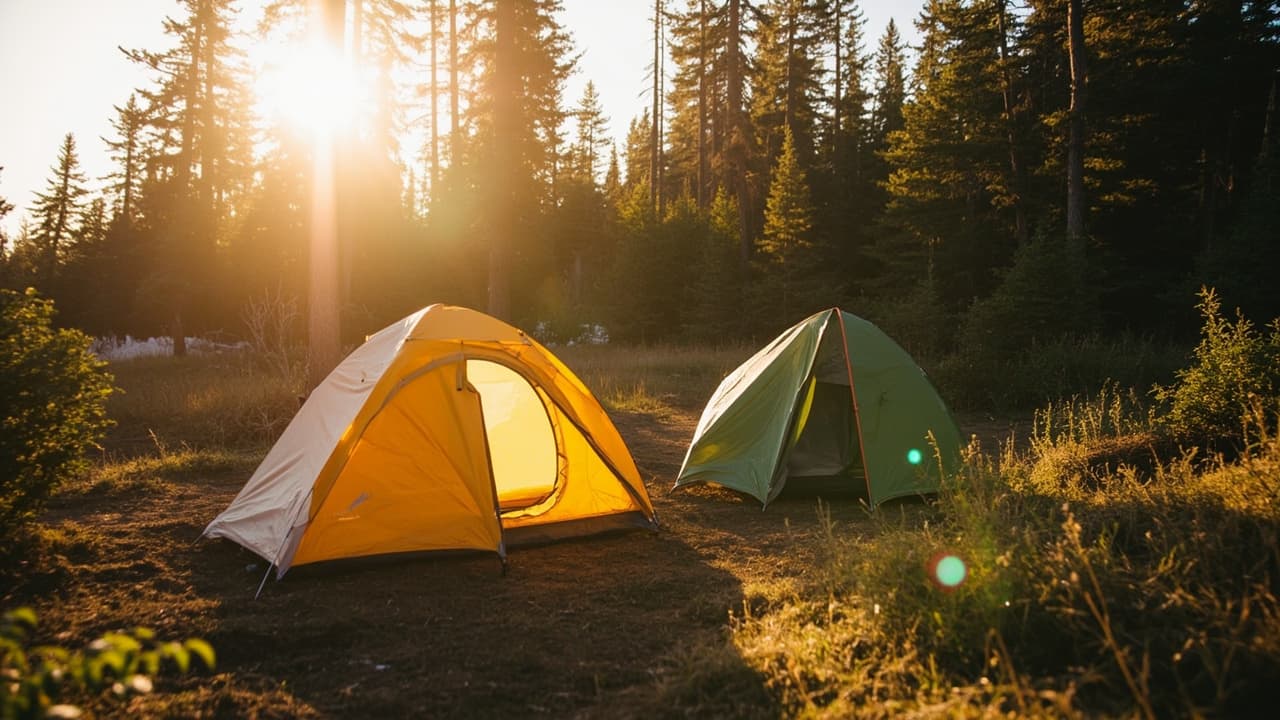
The best budget 4-season tents under $300, what an inexpensive winter tent can and can't handle, and the features that matter for cold-weather camping.
Best Budget 4-Season Tents Under $300: Inexpensive Winter Tents — Quick Comparison

Clostnature 4 Season Backpacking Tent

1/2 Person 4 Season Backpacking Tent

BISINNA 4 Season Tent for Backpacking Winter Tents 2 Person

OneTigris Stella 4 Season Camping Tent Backpacking

GEERTOP 2 Person Backpacking Tent

Forceatt Tent for 2 and 3 Person is Waterproof and Windproof
Prices and ratings last checked Oct 8, 2026 and can change at any time. Confirm the current price on Amazon before buying.
The short answer: the best budget 4-season tent for most people is the Clostnature 4 Season Backpacking Tent. Its listing sells it as a 4-season cold-weather winter tent, its rainfly carries a 5000mm waterproof rating (the top rating on this list, shared with the Underwood Aggregator), and a brow pole over the door adds structural rigidity. For the lightest solo setup, the Underwood Aggregator carries the same 5000mm rating, the BISINNA is the entry-level choice for winter car camping, and the OneTigris Stella is the simple, easy-pitching option. The GEERTOP 2 Person Backpacking Tent and the Forceatt suit moderate or shoulder-season conditions rather than real winter.
Be clear about what an inexpensive 4-season tent can do. Expedition-grade shelters with hard-anodized poles, bombproof stitching, and technical fabrics routinely cost $600 or more. The tents in this guide use lighter materials, simpler construction, and thinner fabrics to hit a lower price. They will handle moderate winter conditions well, but push them into sustained sub-zero temperatures, heavy wet snow, or exposed ridgelines and their limits become apparent fast.
The honest answer: these are 3.5-season tents that will serve you well for fall camping into early winter, occasional snow trips, and spring conditions. They are not built for basecamp use on Denali.
With that framing, here is what to look for, which ones are worth your money, and how to camp safely in the cold with a budget tent.
How to Choose a Budget 4-Season Tent
Pole structure is the most critical factor. Four-season tents need more poles than their 3-season cousins to handle snow load and wind pressure. Look for poles that cross at the apex, creating a geometry that resists flexing. Aluminum poles are standard at this price; fiberglass is a step down in durability and cold-weather performance. All the tents below use aluminum.
Fabric weight and waterproofing matter more in winter than in summer. A higher denier (D) fabric resists abrasion from ice and snow. Look for the hydrostatic head rating (the number of millimeters of water a fabric can withstand before leaking). Treat 3000mm as a sensible floor for cold, wet conditions; 5000mm gives you a margin for heavier rain or wet snow. Seams should be factory-taped or sealed. No amount of quality fabric helps if water seeps through the stitching.
Vestibule space becomes your gear storage when conditions close in. In summer you can live outside your tent. In winter you will not want to. Aim for at least one vestibule with enough room to store boots, trekking poles, and a pack without cramming.
Snow skirt or perimeter seal blocks drafts and prevents spindrift from blowing under the rainfly. This feature separates a genuine 4-season design from a 3-season tent with extra stitching.
Ventilation management fights condensation, which is worse in cold weather because warm breath hits cold fabric and condenses. Dual doors with mesh panels allow you to vent without letting in the worst of the weather.
Best Budget 4-Season Tents, Reviewed
Best Overall: Clostnature 4 Season Backpacking Tent
The Clostnature has the strongest 4-season case on this list. Its listing sells it as a 4-season cold-weather winter tent, and the fabric spec backs that up for moderate winter conditions: the rainfly carries a 5000mm hydrostatic head rating, which puts it at the top end of waterproofing for this price range. The aluminum pole setup includes a brow pole over the door that adds headroom and structural rigidity. The trade-off is a lighter pole count, and pole structure is the factor that matters most under snow load, so be selective about exposure: like everything here, it is not a heavy-snow or alpine shelter. The single-door design limits cross-ventilation compared to dual-door models, so condensation management requires more attention in cold, still weather. It comes in 1- and 2-person sizes and is roomiest used solo, where you have more floor space to yourself.
Check the Clostnature 4 Season Backpacking Tent on Amazon
Best Ultralight Solo: Underwood Aggregator 1/2 Person 4 Season Tent
The Underwood Aggregator is sized for solo winter use where every saved ounce matters. The 5000mm waterproof rating and aluminum pole construction give it genuine cold-weather credibility. The lightweight design makes it suitable for ski touring or fast-and-light backcountry routes where you need to move quickly between camps. Headroom is limited compared to two-person models, and you will be living in your sleeping bag during extended weather lockdowns. For the solo adventurer who prioritizes pack weight, this fills a specific niche at this price point.
Check the Underwood Aggregator 1/2 Person 4 Season Tent on Amazon
Best for Winter Car Camping: BISINNA 4 Season Tent
The BISINNA rounds out the list as a capable entry-level 4-season option. The double-layer construction with aluminum poles handles the core requirements for winter camping without frills. It pitches reliably and the full rainfly coverage keeps spindrift and precipitation out. The trade-off is in material weight and refinement: the fabrics and hardware are functional but not premium. For car camping-adjacent winter trips where you are never far from the vehicle, this is a reasonable choice. For backcountry routes where every gram matters and conditions can change fast, you will feel the compromise more acutely.
Check the BISINNA 4 Season Tent on Amazon
Easiest Setup: OneTigris Stella 4 Season Camping Tent
The OneTigris Stella takes a more minimalist approach. The design focuses on a light carry without abandoning 4-season features. The 3000mm waterproof rating is adequate but not exceptional; this tent handles rain and light snow well but would feel the strain in a multi-day wet snow event. Aluminum poles provide reliable strength in cold temperatures where fiberglass would become brittle. The setup is straightforward enough that one person can manage it alone in deteriorating weather. Vestibule space is modest, so you will need to be deliberate about what stays outside.
Check the OneTigris Stella 4 Season Camping Tent on Amazon
Best for Moderate Conditions: GEERTOP 2 Person Backpacking Tent
The GEERTOP is a lightweight backpacking tent that GEERTOP markets as 4-season, but it suits moderate or shoulder-season conditions: fall into early winter, cold nights at a sheltered site, and light snow. It is not a snow-load or exposed-terrain shelter, so do not choose it as a real winter tent. It runs two main poles in a crossing geometry with a third cross-pole over the door, the double-wall design includes a full-coverage rainfly with a perimeter snow skirt, and dual vestibules offer covered storage at both ends. The aluminum frame is freestanding, so you can pitch it on hard or rocky ground without staking out each corner first. Those features make it a good shoulder-season two-person tent, but the 4-season label alone does not make it a winter shelter.
Check the GEERTOP 2 Person Backpacking Tent on Amazon
Best for Shoulder Seasons: Forceatt Tent for 2 and 3 Person
The Forceatt occupies the mid-range of the budget category. It uses a straightforward two-pole crossing design with a double-layer construction. The inner tent mesh provides ventilation in milder conditions while the full rainfly seals things down in stormier weather. Aluminum poles keep the weight manageable for backpacking use. Setup is fast enough that you can get under cover quickly when conditions turn. It lacks the snow skirt depth of the GEERTOP and the vestibules are smaller. Forceatt itself markets it as a tent for 3 to 4 seasons, and that is the honest framing: treat it as a shoulder-season shelter that can ride out a cold snap, not a dedicated deep-winter tent.
Check the Forceatt Tent for 2 and 3 Person on Amazon
Current prices for each tent are in the comparison table above.
Winter Camping Safety With a Budget Tent
A cheaper tent leaves less margin for error, so the rest of your plan has to make up for it.
- Start close to the car. Make your first cold-weather trips at a campground or a short walk from the trailhead, so you can retreat to a warm vehicle if the tent or your sleep system falls short.
- Check the forecast for wind and snow, not just temperature. Strong wind and heavy wet snow are what overwhelm budget poles. If either is forecast beyond what your tent is built for, change the plan.
- Your sleep system keeps you warm, not the tent. Use an insulated sleeping pad rated for frozen ground (stacking a closed-cell foam pad under an inflatable one adds insulation) and a sleeping bag rated at least ten degrees below the lowest temperature you expect.
- Never run a stove, heater, or any fuel-burning device inside the tent or vestibule. Carbon monoxide builds up quickly in a closed winter tent and can kill without warning. Cook outside, in the open air.
- Vent even when it's cold. Crack a vent or door so moisture from your breath can escape; otherwise condensation soaks your bag overnight.
- Clear snow off the fly. During a snowfall, knock accumulated snow off the tent before it builds up and bends the poles.
- Pitch in a safe spot. Avoid avalanche terrain and slopes above you, and do not pitch under dead or snow-loaded branches.
- Know the signs of hypothermia. Uncontrollable shivering, fumbling hands, and confusion mean it is time to get dry, get warm, and get out, not to tough it out.
Questions People Ask
What is the best budget 4-season tent?
The Clostnature 4 Season Backpacking Tent. Its listing sells it as a 4-season cold-weather winter tent, its rainfly carries a 5000mm waterproof rating, and a brow pole over the door adds rigidity. The Underwood Aggregator is the lighter solo option with the same 5000mm rating. The GEERTOP 2 Person Backpacking Tent suits moderate or shoulder-season conditions, not real winter.
Can an inexpensive 4-season tent handle real winter camping?
It can handle moderate winter conditions: cold nights, light to moderate snow, and wind at a sheltered campsite. It is not built for sustained sub-zero temperatures, heavy wet snow, exposed ridgelines, or mountaineering. If your plans include those, a budget tent is the wrong tool, and a proper expedition tent is worth the extra cost.
What is the difference between a 3-season and a 4-season tent?
A 4-season tent uses more poles or a stronger pole geometry to shed snow and resist wind, sturdier fabrics, less mesh, and features like a snow skirt to keep spindrift and drafts out. A 3-season tent prioritizes ventilation and low weight, which is why it struggles under snow load.
Is a 4-season tent warmer than a 3-season tent?
Somewhat. Less mesh and a snow skirt cut drafts, so it feels warmer inside. But a tent is not insulation: your sleeping pad and sleeping bag do most of the work of keeping you warm, so budget for those before you spend extra on the tent.
Verdict
For most people looking to camp in cold weather without spending expedition money, the Clostnature 4 Season Backpacking Tent is the pick. It has the strongest 4-season case on this list: a 5000mm rainfly, aluminum poles with a brow pole over the door, and a listing built around cold-weather winter use. Treat it, like every tent here, as a shelter for sheltered sites and moderate winter weather, not for heavy snow load or exposed terrain. If your cold-weather trips are mostly fall and early spring, the GEERTOP 2 Person Backpacking Tent is a good moderate-conditions choice with dual vestibules and a freestanding frame, but it is not a real winter tent.
The BISINNA 4 Season Tent is the entry-level pick for winter car camping: it will keep you dry in moderate winter conditions when you are never far from the vehicle, which is exactly where first-time winter campers should start.
Whatever you choose, pair it with an insulated sleeping pad rated for the temperatures you expect and a sleeping bag with a rating at least ten degrees below your anticipated low. A tent is only part of staying warm when the ground is frozen and the wind is cutting through everything.
Related guides: Best Budget Sleeping Bags for Cold Weather & Winter Camping · How to Stay Warm Camping — The Layers and the Mistakes · Fall Camping Gear — What Actually Changes When the Nights Get Cold
Keep reading