Learn the specific gear swaps fall camping demands—air, ground, head, and hand layers—that keep you warm when temps drop 20-30 degrees after sunset.
Fall Camping Gear — What Actually Changes When the Nights Get Cold — Quick Comparison

Core 9 Person Instant Cabin Tent

Coleman Sundome Camping Tent with Rainfly

CORE Instant Cabin Tents

FanttikOutdoor 4/6/8/10 Person Instant Tent for Camping

FanttikOutdoor Camping Tent 4/6/8/10 Person Instant Cabin
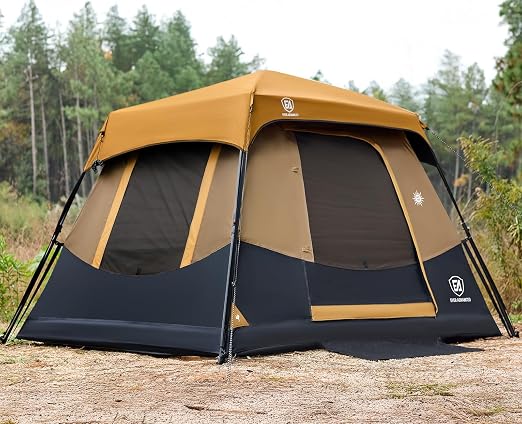
EVER ADVANCED 4 Person Blackout Camping Tent
Prices and ratings last checked Oct 9, 2026 and can change at any time. Confirm the current price on Amazon before buying.
Autumn camping is not summer camping with a hoodie. The days can still be warm and dry, but the moment the sun drops, the temperature can fall 20 to 30 degrees before midnight. That single swing is what rewrites your packing list from August to October. Instead of swapping your gear for generic cold-weather lists, it helps to think of fall as a layering problem: air, ground, head, and hands each need their own answer.
This guide walks through what actually changes when nights get cold, how to choose the right shelter and sleep system, and the shelter picks that work well for car camping in shoulder-season conditions.
What Changes From Summer to Fall Camping
In summer, your biggest concerns are shade, hydration, and rain. In fall, four new variables show up:
- Air temperature drops hard after sunset. Your daytime clothes become useless within an hour of dark. You need a real insulation layer that you can put on while sitting still.
- Ground gets cold and wet. A summer pad that felt fine in July now pulls heat out of you all night. The ground is usually colder than the air in fall.
- Condensation increases. Warm body moisture hits cold tent fabric and walls get damp. Ventilation matters more, not less.
- Wind picks up and direction changes. Tree limbs come down, gusts hit tent walls, and rain hits at an angle instead of straight down.
Everything else — cooking, water, navigation, fire safety — follows the same rules year-round. The sleep system and shelter are where fall actually wins or loses.
How to Choose Fall Camping Gear
Shelter: ventilation first, then weatherproofing
A fall tent needs three things working together: a full-coverage rainfly, mesh or windows that can be closed, and a way to vent moisture without letting rain in. A vestibule or covered porch is a major plus because you want a place to drip-dry a wet jacket without making the inner tent damp.
Pay attention to setup time and footprint shape. For car camping, an instant or cabin-style tent that goes up in a minute or two is worth real weight in gold when you arrive at a dark, cold campground. Rectangular or square floor plans use space far better than the narrow backpacking tents you used in July.
Sleep system: the real warmth engine
This is where most people lose the night. Your sleeping bag's temperature rating assumes you are wearing base layers, using a pad with a real R-value, and sleeping in a shelter that blocks wind. Pick a bag rated roughly 10 degrees colder than the lowest night you expect, pair it with an insulated pad, and add a liner if you run cold.
Base layers in fall should be synthetic or merino. Cotton absorbs sweat, holds it against your skin, and stops insulating the moment it gets damp. A damp cotton layer in a 40-degree night is a fast path to a miserable, shivery sleep.
Clothing: layers you can actually adjust
Think three layers: a moisture-wicking base, a fleece or synthetic mid, and a wind-blocking outer. A beanie and dry socks are not optional in fall. A pair of camp shoes or insulated slides is the single most underrated upgrade for shoulder-season camping.
Hydration and light: shorter days, longer nights
Headlamps get used twice as much in fall. Carry an extra battery or pack a small power bank. Hydration is still critical — cooler days trick people into drinking less, but your body is still working hard under layers.
Shelter Picks for Fall Car Camping
The following tents all work well for fall conditions because they combine full rainflies with adjustable ventilation, which is exactly the combination you need when days are warm and nights are cold.
1. Core 9 Person Instant Cabin Tent
For families or groups car camping in cooler weather, room matters. The Core 9 Person Instant Cabin Tent in 14 by 9 Green offers a true cabin-style floor plan, near-vertical walls that let everyone stand up, and enough interior space to fit cots, chairs, and gear without crowding. The instant-frame design means you are not wrestling poles in the dark after a long drive. For fall, the key features are the adjustable ceiling vents and full-coverage rainfly that let you push warm, moist air out while keeping rain off the sleeping area.
Check the Core 9 Person Instant Cabin Tent on Amazon
2. Coleman Sundome Camping Tent
A smaller, simpler option that still handles fall weather well is the Coleman Sundome. Setup is fast, the rainfly is integrated, and the dome shape sheds wind better than a flat-walled cabin. For two to four people on a weekend trip where the lows drop into the 40s, the Sundome is the kind of no-fuss shelter that just works. Its mesh roof and windows give you the ventilation you need to fight fall condensation, and the WeatherTec design focuses on keeping seam-driven rain out.
Check the Coleman Sundome Camping Tent on Amazon
3. CORE Instant Cabin Multi-Room Tent
When the weather turns and you are stuck inside more than expected, layout becomes comfort. The CORE Instant Cabin Multi-Room version adds internal dividers or a separate sleeping and gear area, plus storage pockets for the small stuff that tends to pile up on cold nights. That separation matters in fall because you want a clean, dry sleeping area and a wet zone for boots and jackets. The instant setup is a real advantage when you arrive late and the temperature is already dropping.
Check the CORE Instant Cabin Tents on Amazon
4. FanttikOutdoor Instant Cabin Tent (4/6/8/10 Person)
For campers who want a quick pitch without giving up family space, the FanttikOutdoor Instant Cabin line is built around setup in roughly a minute. The rainfly and windproof design are aimed directly at shoulder-season weather, and the cabin floor plan keeps gear organized. Multiple size options let you match the tent to your group instead of overpacking a smaller shelter. For fall weekends with mixed sun and rain, the combination of fast setup and a full rainfly is the right balance.
Check the FanttikOutdoor Instant Cabin Tent on Amazon
5. FanttikOutdoor Camping Tent (Navy Blue, Upgraded Ventilation)
The upgraded ventilation version of the FanttikOutdoor cabin line is worth a closer look for fall specifically. Condensation is the silent problem of cold-night camping, and the extra airflow helps push moist air out before it settles on walls and sleeping bags. The same quick-pitch frame, full rainfly, and carry-bag portability apply, so you still get the convenience of an instant shelter with better moisture management.
Check the FanttikOutdoor Camping Tent on Amazon
6. EVER ADVANCED 4 Person Blackout Camping Tent
If you have ever tried to sleep past sunrise on a chilly fall morning, you know how bright the tent can get. The EVER ADVANCED Blackout tent uses light-blocking fabric that also improves insulation and adds UV protection. The 4000mm water resistance rating and full rainfly handle steady fall rain, and the instant cabin frame means setup is fast in cold hands. This is the pick for campers who value late, dark sleep-ins as much as they value weather protection.
Check the EVER ADVANCED 4 Person Blackout Camping Tent on Amazon
Putting the System Together
A good shelter is only one part of a cold-night setup. Pair your tent with an insulated sleeping pad that has a real R-value, a sleeping bag rated below the expected low, and layers you can add or remove as the night goes on. Vent your tent during the warmest part of the evening, then close vents once the temperature drops to trap warmth.
A few small habits make a huge difference: shake condensation off the rainfly in the morning, store wet layers in a vestibule or garage area, and never bring any combustion device inside a tent or closed vehicle. The same rule applies to running a heater through the night. Carbon monoxide builds quietly, and it is not a risk worth taking for an extra degree of warmth.
Verdict
Fall camping rewards preparation, not extra gear. The nights get cold, the ground gets colder, and condensation becomes a real nuisance. The right shelter — a cabin-style instant tent with full rainfly coverage and adjustable ventilation — solves most of those problems at once. Pair it with a proper sleep system and layered clothing, and shoulder-season camping becomes some of the best of the year: fewer bugs, cooler hiking, and clear, quiet nights.
Looking for more? See our related guides on budget sleeping bags for cold weather, how to stay warm camping on cold nights, and best budget sleeping pads under $50.
Keep reading