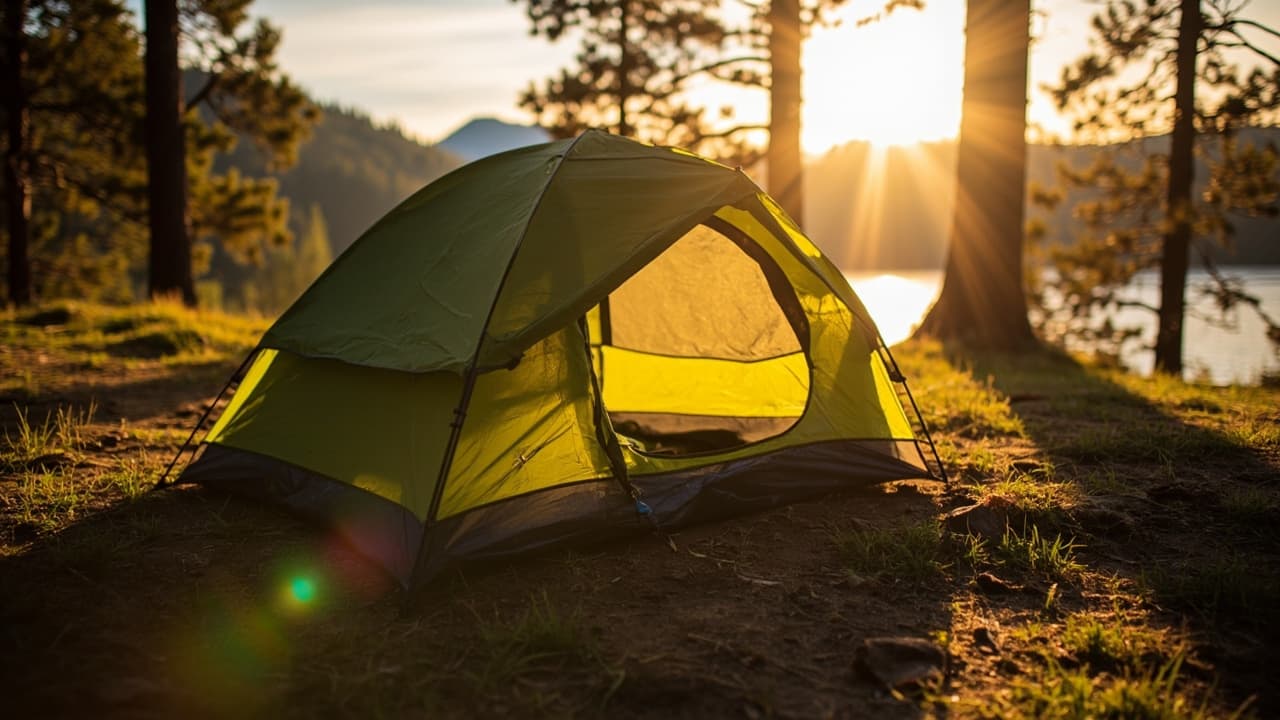
Learn the sizing rule that keeps a footprint protective instead of funneling rain under your tent, plus budget picks and whether you even need one.
Best Budget Tent Footprints — Protecting the Floor Without Trapping Water — Quick Comparison

CORE Outdoor Tent Footprints
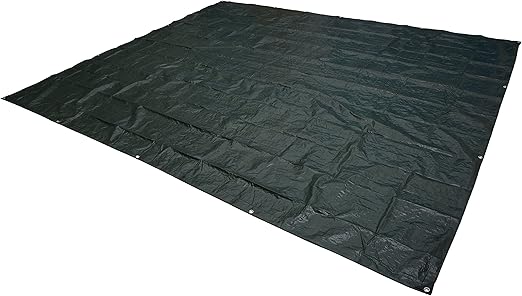
Amazon Basics Waterproof Multipurpose Camping Tarp

Clostnature Heavy Duty Tent Footprint Floor Saver
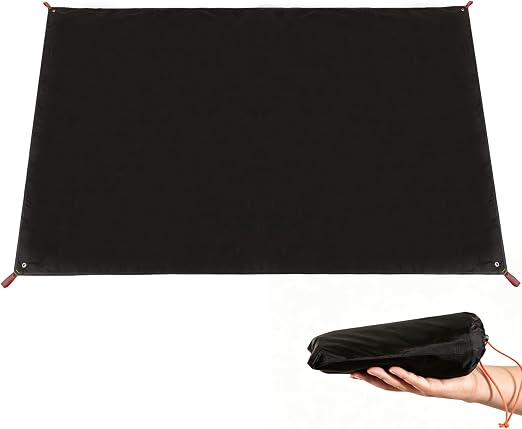
REDCAMP Ultralight Tent Footprint
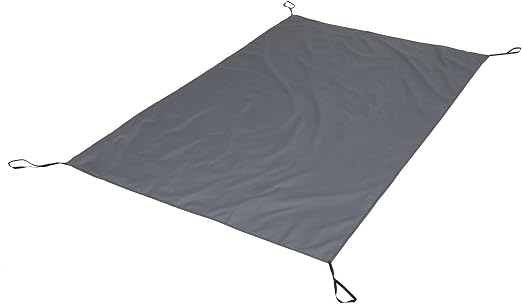
ALPS Mountaineering Tent Footprint

OneTigris 2 Person Footprint for Backpacking Tent
Prices and ratings last checked Oct 6, 2026 and can change at any time. Confirm the current price on Amazon before buying.
A tent floor is a sheet of coated fabric. The ground is sharp, gritty, wet, and sometimes frozen. A footprint is the cheap insurance between the two. Get the size right and the material right and a thirty-dollar piece of fabric will add years to a tent that cost four times as much.
This is a fall-rain-season buy for most people. Trailside gravel, leaf litter, and saturated soil chew up bathtub floors fast, and a footprint is the easiest way to keep the coating from wearing through. But there is a hazard that turns a well-meaning purchase into a soggy tent, and it is the single most important thing to understand before you click buy.
The One Rule That Matters More Than Anything Else
The footprint must be slightly smaller than the tent floor. Tucked fully underneath, every edge hidden.
This is not a stylistic preference. A footprint that sticks out past the tent floor — even by an inch or two — becomes a rain gutter. Water running off the tent hits the exposed edge, works under the tent floor, and pools between the two layers. The footprint was supposed to keep water out; an oversized one funnels it in. It is one of the most common fall-camping mistakes, and it is entirely avoidable.
If you already own a generic tarp and want to use it as a footprint, trim it down rather than folding the excess under. Folded edges can still work loose in wind. A clean cut, or a tarp that already matches the floor dimensions, is the right answer.
How to Choose a Budget Tent Footprint
Match the footprint to the tent, not the other way around. Most footprints sold under a specific tent brand are cut to match that tent's floor exactly, with the corners pre-shaped. Aftermarket footprints from other brands need to be checked against the published floor dimensions of your tent.
Material and weight matter. A heavier, thicker footprint resists puncture better under car-camping conditions but adds ounces you will resent on a backpacking trip. Backpackers should look for the lightest option that still covers the floor and sheds water.
Attachment points are worth noticing. A footprint with grommets, webbing loops, or corner pockets lets you stake it down or attach it to the tent poles so wind cannot push the two layers apart. A loose footprint scrunches under the floor and creates wrinkles you will feel all night.
Waterproofing is mostly a non-issue with modern footprints because the materials are waterproof by design. The PU or silicone-impregnated fabric used in this category does not soak through in normal rain. The risk of water intrusion comes from geometry, not the material itself — which brings us back to size.
Finally, decide whether you need a footprint cut for a specific tent model or a generic rectangular tarp you can adapt. Backpackers benefit enormously from model-specific footprints because weight and fit are tight constraints. Car campers have more flexibility to use a multipurpose tarp as long as they trim it correctly.
The Picks
CORE Outdoor Tent Footprints
A model-specific footprint cut for a six-person CORE tent, sized at 11 by 9 feet. If your tent is in the CORE family, this drops in and the dimensions are already right — no trimming, no guessing. Because it is cut to match the floor, the tucked-under fit is automatic, which is exactly the geometry you want in a fall rain. For car camping with a larger family-sized tent, this is the low-friction option: lay it down, pitch the tent, done.
Check the CORE Outdoor Tent Footprints on Amazon
Amazon Basics Waterproof Multipurpose Camping Tarp
A general-purpose tarp in dark green, sized at roughly 9.5 by 11.3 feet, with reinforced corners and edges. This is the budget workhorse choice for car campers who want a sheet they can also use as a shade cover, a groundsheet for a picnic, or a windbreak. The reinforcement matters because edges are where cheap tarps fail first under foot traffic and abrasion. If you use this as a footprint, the dimensions are likely close to — but not exactly — your tent floor, so check the measurements of your tent before laying it down and trim if needed to keep every edge tucked.
Check the Amazon Basics Waterproof Multipurpose Camping Tarp on Amazon
Clostnature Heavy Duty Tent Footprint Floor Saver
A heavy-duty footprint aimed at car camping and longer trips. The heavy classification here means a thicker, more puncture-resistant sheet under the floor — useful on rocky, rooty, or thorny sites where a thin backpacking footprint would not last a season. If you camp in places with sharp ground cover or you set up on gravel pads, thicker is worth the extra packed weight. Confirm the listed size against your tent floor before ordering so you can tuck the edges fully under.
Check the Clostnature Heavy Duty Tent Footprint Floor Saver on Amazon
REDCAMP Ultralight Tent Footprint
A genuinely ultralight footprint in the backpacking weight class, with PU 2000 waterproofing and a drawstring carrying bag. Sized at roughly 55 by 87 inches, this is the footprint for a one-to-two person backpacking tent where every ounce counts. PU 2000 is a meaningful waterproofing rating that will keep a thin coating from wetting through in sustained fall rain. The drawstring bag is small but useful: it keeps the footprint from unfolding inside your pack and smothering your dry gear.
Check the REDCAMP Ultralight Tent Footprint on Amazon
ALPS Mountaineering Tent Footprint
A footprint sold in multiple sizes to match specific ALPS Mountaineering tent models, with webbing loop attachments at the corners and a 1500mm waterproof rating. The webbing loops are the standout feature here: they let you stake the footprint down before pitching the tent, or you can clip the tent corners to the footprint for a tight, wrinkle-free fit. In wind, a footprint that can be anchored is dramatically better than one that cannot, because the tent and footprint stay together instead of the tent sliding on a loose sheet.
Check the ALPS Mountaineering Tent Footprint on Amazon
OneTigris 2 Person Footprint for Backpacking Tent
A two-person backpacking footprint with a 2000mm waterproof rating, sized at roughly 78.7 by 47.24 inches. This pairs well with most two-person backpacking tents in the common size range, and the 2000mm rating puts it on the higher end of what's typical for footprints at this weight class — useful in sustained fall rain where lighter footprints can wet through. The black color is a nice touch for sun absorption on cool mornings, though it also means the footprint heats up in direct sun, which can stress the coating over time. Store it out of UV when not in use.
Check the OneTigris 2 Person Footprint for Backpacking Tent on Amazon
Verdict
For car camping with a family-sized tent, the CORE footprint is the easy button — cut to match, lay it down, no thinking required. For car campers who want one piece of fabric to do double duty as a footprint, picnic pad, and shade cover, the Amazon Basics tarp is the most flexible and the cheapest to abuse. For rocky and thorny sites, the Clostnature heavy-duty option earns its extra weight. For backpackers, the REDCAMP and OneTigris are the two real contenders; pick REDCAMP if you want the lightest possible sheet, OneTigris if you want the higher waterproof rating. The ALPS option is the best pick if your tent is in the ALPS family and you want the webbing-loop attachment system to lock the footprint in place.
Above all, no matter which one you buy: every edge tucked under the tent floor. That single detail is the difference between a footprint that protects your tent and one that turns it into a wading pool.
Related guides: How to Camp in the Rain: Tips for Staying Dry in Wet Weather · How to Set Up a Camping Tarp Over Your Tent or Kitchen — Three Pitches That Shed Rain · Best Camping Tarps Under $30 — Top-Rated Picks
Keep reading