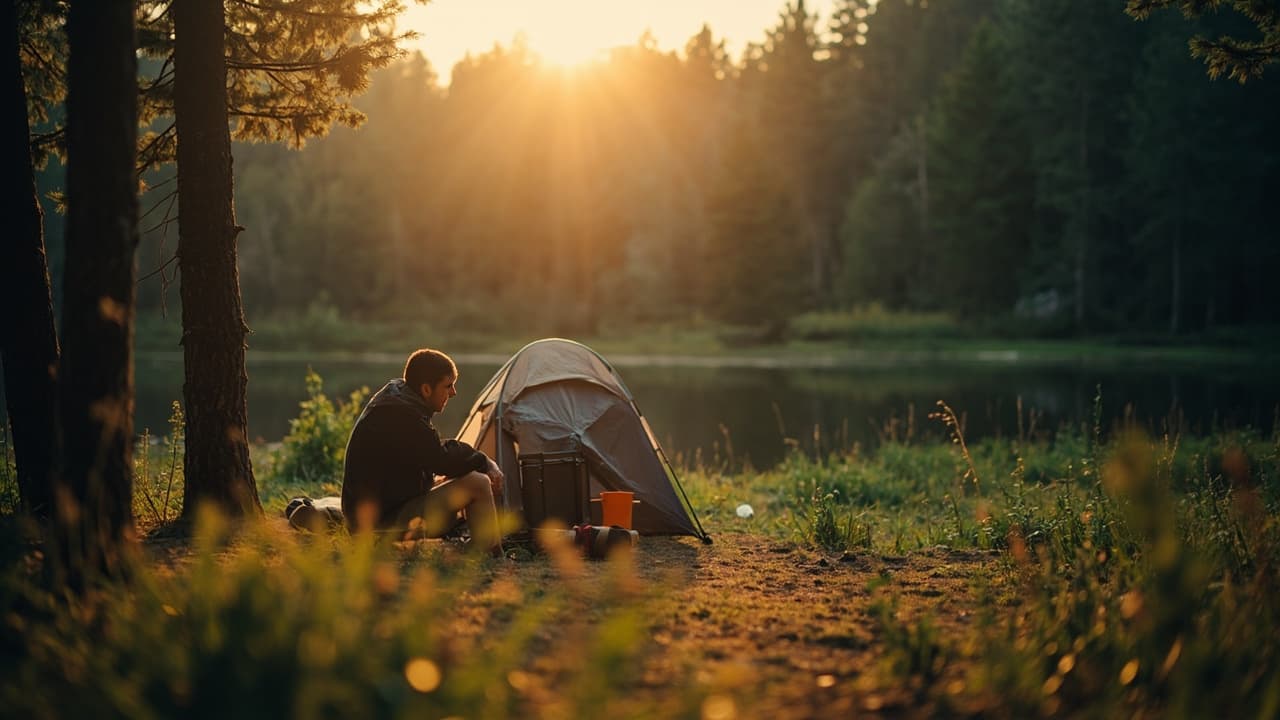
A step-by-step guide to camping in the rain: pick a well-drained site, rig a tarp first, vent against condensation, and pack the right wet-weather gear.
How to Camp in the Rain: Tips for Staying Dry in Wet Weather — Quick Comparison

Emergency Blanket Mylar Thermal Space Survival Gear

FREE SOLDIER Waterproof Camping Tarp Shelter Awning Brown

FROGG TOGGS Men’s Ultra-Lite2 Rain Suit

Rainleaf Microfiber Towel Quick Dry Camping & Travel & Gym
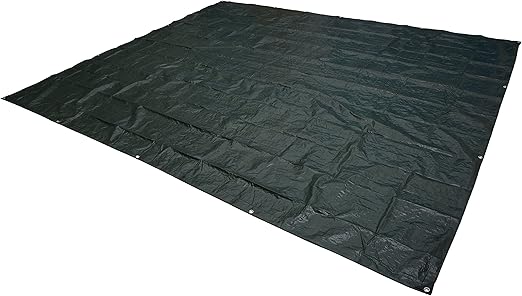
Amazon Basics Waterproof Multipurpose Camping Tarp

PREPARED4X Emergency Mylar Poncho
Prices and ratings last checked Oct 9, 2026 and can change at any time. Confirm the current price on Amazon before buying.
Camping in the rain comes down to three jobs: keep water off you and the tent, keep wet gear out of the sleeping area, and keep one set of dry clothes in reserve. Get those right and a wet forecast is a reason to pack differently, not a reason to cancel. Rain is especially likely on fall trips, when September through November weather can turn without much warning.
Tips for Camping in the Rain at a Glance
- Pack for wet weather before you leave: a tarp, a real rain layer, a dry bag, and extra stakes and guy lines.
- Pick high, level, well-drained ground. Avoid low spots, dry creek beds, and anywhere that already shows standing water.
- Rig the tarp before the tent so you pitch under cover and the tent goes up dry.
- Tuck the footprint so it sits slightly smaller than the tent floor and can't collect runoff.
- Stake and guy out the rainfly taut so it doesn't sag onto the inner tent, where water wicks through.
- Vent the tent even while it rains to cut down on condensation.
- Keep wet boots and jackets in the vestibule, never in the tent body.
- Seal your sleeping bag, spare clothes, and electronics in a dry bag or a heavy trash bag.
- Save one set of dry clothes for sleeping and change into them before you get in your bag.
- Check the forecast for storms, not just rain. Lightning or a flash-flood warning is a reason to move to a hard-topped vehicle or leave, not to wait it out in a tent.
The sections below walk through each step, then cover the budget gear that makes camping in wet weather easier.
How to Set Up Camp in the Rain
Pick your site for drainage, not looks. Choose ground that is slightly elevated and level — never a low spot, a dry creek bed, or a patch that already shows standing water or matted-down grass from runoff. Skip pitching directly under a tree canopy, since it keeps dripping long after the rain itself has stopped.
Tarp first, then the tent. If rain is already falling or on the way, rig a tarp over the tent site before you pitch the tent itself. Setting up under cover keeps both you and the tent dry during the pitch, which is often when the most water gets inside a shelter that's otherwise waterproof.
Keep the rainfly taut. Stake the fly out fully and use every guy line. A slack fly sags onto the inner tent in heavy rain, and wherever the two layers touch, water wicks straight through. Re-tighten the lines after the first hour, since many fly fabrics stretch when wet.
Vestibule discipline. Treat the vestibule as the line between wet and dry. Wet boots, rain jackets, and muddy gear stay in the vestibule — never in the tent body. This one habit prevents more overnight dampness than any gear upgrade.
What to Pack for Camping in the Rain
A tight checklist for a wet forecast:
- A waterproof tarp for overhead coverage at the tent, entrance, and cooking area
- A rain jacket and pants, or a full rain suit, that's actually waterproof rather than just water-resistant — see our affordable rain gear picks
- A quick-dry towel for drying off before you get in the tent or sleeping bag
- An emergency mylar blanket as backup warmth if you get wet unexpectedly
- A dry bag or heavy trash bag to keep spare clothes and electronics sealed
- Extra stakes and guy lines — wet, muddy ground holds stakes worse than dry ground
Tent Camping in the Rain: Keeping the Inside Dry
Condensation is not a leak. If the inside of your tent wall is damp in the morning, that's usually condensation from your own breath and body heat meeting a cold rain fly, not a failure of the tent. Crack a vent or window slightly, even in the rain, to let humid air escape.
Footprint sizing matters. A groundsheet or footprint that extends past the edge of your tent floor collects rainwater and channels it straight underneath you. Fold or trim the footprint so it sits slightly smaller than the tent floor, never larger.
Keep a wet-gear zone. Designate one corner of the vestibule — never the tent body — for anything wet: boots, jackets, and dripping gear. Combined with the vestibule discipline above, this keeps the sleeping area dry even after a full day in the weather.
Staying Warm and Dry in Wet Weather
Change out of wet clothes promptly. Damp layers pull heat from your body far faster than dry ones, even on a mild day. Get into dry clothes as soon as you're under cover for the night.
Protect your sleep system. Your sleeping bag and sleep clothes stay sealed in a dry bag until you're inside the tent, dried off, and ready for bed. Don't bring wet layers into the bag to dry them; that moisture ends up in the insulation.
Eat and drink something warm. A hot drink and a real meal help your body make heat, which matters more on a cool, wet night than on a dry one.
Make camp livable under the tarp. A tarp over the camp table and chairs gives you somewhere to sit, eat, and sort gear that isn't the tent, which is what keeps a rainy afternoon from turning into hours cramped inside.
Questions People Ask
Do you need a footprint if you already have a rainfly?
Yes — they protect against different things. A rainfly keeps rain from coming in from above; a footprint protects the tent floor from ground moisture and abrasion from below. A tarp cut slightly smaller than your tent footprint works as a budget substitute.
How do you stop condensation inside a tent in the rain?
Crack a vent or window slightly, even while it's raining, so the humid air from your breath and body heat has somewhere to go. Sealing the tent up completely traps moisture inside, which shows up as damp walls by morning and gets mistaken for a leak.
What is the most important item to pack for a rainy camping trip?
A dedicated tarp. It protects the whole campsite — the tent, the cooking area, and the entrance — rather than just you, which makes it the single piece of gear that does the most to keep a rainy trip comfortable.
Can you camp in the rain with a regular tent?
Yes, as long as the tent has a full rainfly, the seams hold, and you pitch it on well-drained ground. Most three-season tents handle ordinary rain. The problems usually come from setup (a slack fly, a footprint sticking out past the floor, or a site in a low spot) rather than from the tent itself.
Is it safe to camp in the rain?
Ordinary rain is mostly a comfort problem if you stay dry and warm. The real risks are getting cold while wet, which can lead to hypothermia even well above freezing, and severe weather. If there's lightning nearby or a flash-flood warning for your area, leave the tent for a hard-topped vehicle or head out.
What should you wear camping in the rain?
A waterproof jacket and pants over quick-drying synthetic or wool layers, plus footwear you don't mind getting wet. Avoid cotton, which soaks up water and stays cold. Keep a dry set of clothes sealed away for camp and sleeping.
Why Rain Gear Matters for Fall Camping
Fall rain is different from a summer shower. Temperatures drop alongside the barometer, and staying damp in cool weather quickly leads to hypothermia. Wet gear also ruins the experience—you cannot start a fire easily, fabric becomes heavy, and morale sinks fast. The right rain setup keeps you dry, maintains warmth, and protects your investment in other camping equipment.
Beyond personal comfort, rain gear extends the lifespan of your tent, sleeping bag, and clothing. Tarps shield your campsite from wind and water, while quick-dry towels and weatherproof accessories prevent minor inconveniences from turning into trip-ending problems.
How to Choose Rain Camping Gear
When evaluating rain gear for camping, consider these factors:
Waterproof vs. Water-Resistant
Water-resistant fabrics handle light drizzle but will soak through in sustained rain. Look for fully waterproof materials with sealed seams and reinforced coatings for reliable performance in fall conditions.
Weight and Packability
Every piece of gear you carry counts toward your total pack weight. Choose items that compress small and weigh little so they do not become burdensome extras on the trail.
Durability
Camping gear faces rough handling—sharp sticks, rocky ground, and repeated setup and takedown. Pick items with reinforced edges, strong attachment points, and ripstop materials that resist tearing.
Multi-Use Potential
The best rain gear works beyond emergencies. A tarp that doubles as a sun shade or a poncho that converts into an emergency blanket earns its place in your pack.
Ease of Setup
When rain is already falling, you do not want complicated gear. Look for intuitive designs with clear attachment points and minimal components to wrangle.
Our Top Rain Camping Picks
Emergency Mylar Thermal Blankets
Check the Emergency Blanket Mylar Thermal Space Survival Gear on Amazon
These compact reflective blankets trap body heat and block wind and rain. A pack of four gives you extras to layer under a sleeping pad, line a pack, or share with a camping partner. They weigh almost nothing and fold down to pocket size, making them the lightest insurance policy you can carry. While not a substitute for a proper shelter, they add crucial warmth when temperatures drop unexpectedly.
FREE SOLDIER Waterproof Camping Tarp
Check the FREE SOLDIER Waterproof Camping Tarp Shelter Awning on Amazon
A dedicated tarp transforms your campsite during rain. The FREE SOLDIER model features waterproof coating and multiple attachment points for flexible setup over your tent entrance, cooking area, or seating space. The shelter awning design includes guy lines and stakes so you can pitch it quickly when clouds roll in. Because a tarp is open at the sides, air moves freely underneath, which keeps the space comfortable for lounging or eating out of the rain.
FROGG TOGGS Ultra-Lite2 Rain Suit
Check the FROGG TOGGS Ultra-Lite2 Waterproof Breathable Rain Suit on Amazon
A tarp keeps camp dry, but you still have to walk to the car, gather wood, and cook in the weather. The Ultra-Lite2 is a jacket and trousers together, and the fabric is waterproof and breathable rather than the plastic-bag kind, which matters once you are moving and generating heat. It packs down to about the size of a water bottle and weighs almost nothing, so it lives in the pack all season instead of being the thing you left at home on the one weekend it rained.
Rainleaf Quick-Dry Microfiber Towel
Check the Rainleaf Microfiber Towel Quick Dry Camping & Travel & Gym Towel on Amazon
Drying off with a regular cotton towel in damp camping conditions means carrying something heavy that stays damp itself. This microfiber option absorbs effectively, dries quickly, and compresses small enough to fit in a side pocket. Available in compact sizes, it handles everything from drying your hands after rain gear adjustments to wiping down wet equipment. The included mesh carry pouch helps air circulation during the drying process.
Amazon Basics Waterproof Multipurpose Tarp
For larger coverage or a groundsheet under your tent, the Amazon Basics tarp delivers reliable performance at a budget-friendly price. Reinforced corners and edges resist wear from repeated use and rough terrain. The 9.5 by 11.3 foot size accommodates most three-season tents with extra room for gear storage. Dark green coloring blends into forest environments better than bright alternatives. Use it as a tent footprint to protect your tent floor, or rig it overhead as additional rain protection.
PREPARED4X Emergency Mylar Poncho
Check the PREPARED4X Emergency Mylar Poncho – Survival Rain Poncho with Hood on Amazon
When you need hands-free rain protection without the bulk of a rain jacket, a poncho solves the problem. This option combines emergency blanket material with a hooded poncho design, giving you waterproof coverage that doubles as a heat-retaining layer if temperatures plummet. Lightweight and packable, it stows in its own pocket until needed. Reusable construction means you can pack it trip after trip without worrying about wear between uses. The hood adjusts to keep rain off your face during those long walks to the bathhouse in a downpour.
Final Verdict
Rain does not have to end your fall camping trip. The six picks above cover the essentials for staying dry and comfortable when wet weather arrives. For a lightweight emergency backup, grab the mylar blankets. For true shelter coverage, the FREE SOLDIER or Amazon Basics tarps provide dependable overhead and ground protection. The quick-dry towel handles the small irritations that add up in prolonged rain, while the rain suit and emergency poncho cover you whenever you have to leave the shelter.
Start with the tarp that matches your typical setup size, add the emergency poncho as your always-carry rain layer, and build from there. With this foundation, that October drizzle becomes just background music to your campfire stories.
Explore more camping tips in our guide to the cheapest camping setup for beginners, or add a budget camping tarp for extra shelter.
Keep reading