Car camping has no excuses for overpacking. Follow this checklist and fit everything in one duffel bag for weekend trips.
How to Pack Light for Camping — Quick Comparison

LifeStraw Personal Water Filter for Hiking

Fiskars X7 Small Hatchet Axe 14"

Travel Utensils with Case
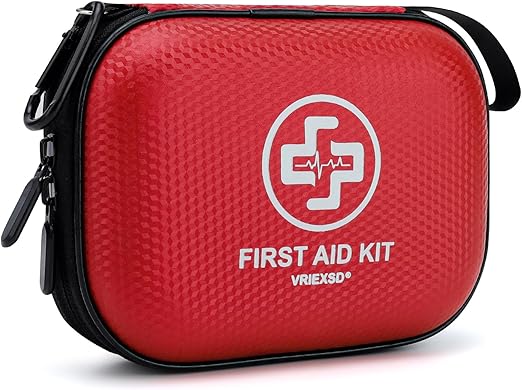
Mini First Aid Kit

DUDE Wipes Unscented Adult Flushable Wet Wipes
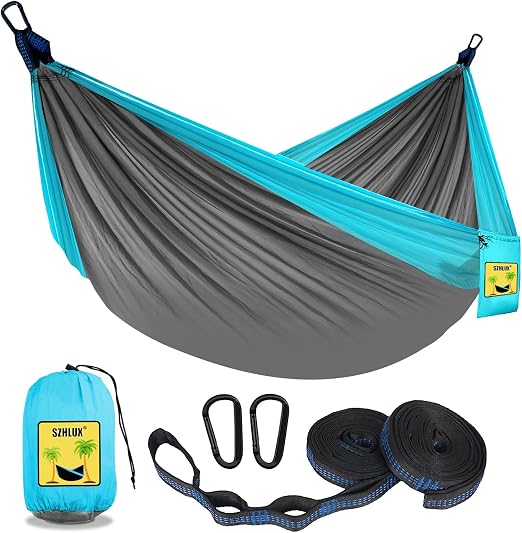
SZHLUX Camping Hammock Double & Single Portable Hammocks
Prices and ratings last checked Oct 9, 2026 and can change at any time. Confirm the current price on Amazon before buying.
Packing light is the single most underrated skill in camping. Heavy packs discourage the long walk to a backcountry site, turn a quick gear grab from the trunk into an archaeological dig, and force you to leave useful stuff behind because the car is already full. The goal of a tight packing kit is not to suffer. The goal is to cut redundancy, consolidate categories, and stop bringing two of everything "just in case."
This guide walks through a proven framework for trimming your kit, then shows seven specific upgrades that earn their weight, no matter how strict your load is.
Start With the Three-Bag Rule
Before you buy anything new, set three physical or virtual piles: shelter, sleep, and cooking. Anything that does not belong in one of those three categories needs a very good reason to come along. A camp chair is fine. A camp chair plus a camp stool plus a hammock is two redundant ways to sit down. Pick one.
Inside each pile, ask four questions:
- Can this do double duty? A bandana is a potholder, a towel, a sun shade, and a dust rag. A dedicated sun hat only shades your face.
- Am I bringing two of these? Two lighters, two knives, two water bottles. Pick the one that fails less often.
- Is this a luxury I will use every single trip? If you camp once a year, the espresso setup can wait. If you camp monthly, it earns space.
- Can I repurpose something already in my car or kitchen? A reusable grocery bag is a laundry bag, a firewood tote, a dirty-shoes bag, and a shower caddy.
When you finish, you should be able to fit your core shelter, sleep, and cook setup in one large duffel and your clothing and personal items in a daypack.
Aim for the 20 Percent Rule
A good target is to cut roughly 20 percent of the weight or volume from your current list on the next trip. That is enough to be noticeable on your back and short enough that you will not feel like you are punishing yourself. Once you run a single trip at the new weight, you immediately see what you actually missed and what you never touched. Adjust from there.
Cut Your Water Footprint
Water is the heaviest single category at most campsites, and it is also one of the easiest to shrink. Most car campers carry far more water than they drink. A typical solo weekend drinker needs about a gallon for hydration, plus a small amount for dishes. Anything past that is dead weight rolling around the trunk.
Filtering on the go is the better play. If you are near a stream, lake, or any reliable source, you do not need to haul four gallons out from home. A simple personal filter lets you drink from the source and refill on demand. That single change drops pounds off your load and frees a jerry can for something else. The simplest filter design works like a straw, so you drink unfiltered water straight from the source and walk away clean.
Cut Your Cook Kit in Half
A full camp-kitchen setup with two pans, a kettle, a pot, plates, bowls, and four utensils is overkill for most weekend trips. You can cook almost every camping meal in one pot and eat it with one utensil. Collapsing silicone cups, foldable bowls, and nesting cookware all collapse into a single softball-sized bundle. That alone can clear a cubic foot of pack space.
Cut Your Sleep System Weight
Sleep is one area where going light too aggressively backfires, because a bad night ruins the whole trip. Instead of swapping your pad for the thinnest inflatable you can find, look for redundant items: a pillow you brought from home, two sleeping bags for one person, extra blankets "just in case." The right pad weight is one that lets you sleep through the night comfortably, not the lightest pad you can tolerate while awake.
How to Choose the Right Lightweight Upgrades
When you do replace a piece of gear, lean toward items that clearly earn their spot. A great lightweight product does one of three things:
- Replaces two or more items already in your kit.
- Weighs dramatically less than whatever it replaces.
- Lasts long enough that you will not replace it next year.
Look for items that pack down small, multipurpose, or have a long service life. Anything that ships in a tenth of its assembled size and weighs ounces is a strong candidate.
The Picks
LifeStraw Personal Water Filter for Hiking, Travel and Emergency
Water is the heaviest thing in your kit by volume and the easiest thing to overpack. A personal straw-style filter removes bacteria and parasites from streams, taps, and questionable jugs, so you can refill on demand instead of hauling gallons. The whole thing weighs a couple of ounces and fits in a coat pocket. For a lightweight camper, this is the single biggest weight win you can make on day one.
Check the LifeStraw Personal Water Filter for Hiking, Travel and Emergency on Amazon
Fiskars X7 Small Hatchet Axe
A hatchet earns its weight in any kit that includes real wood fires. A small forged-steel hatchet with a shock-absorbing handle handles kindling, tent stakes, and stubborn food cans, and replaces a heavier axe for everything except splitting rounds. The blade coating keeps friction low so swings land cleaner, and the included sheath keeps the edge covered in transit. For car camping, a hatchet beats a folding saw because you are not relying on arm strength to clear brush.
Travel Utensils with Case
Plate, bowl, fork, spoon, knife, chopsticks. The average camper brings four of those six. A compact travel utensil set collapses the full set into a slim case about the size of a sunglass case, made from stainless steel you can scrub and dry on a rock. This is the single fastest way to trim cook kit redundancy.
Mini First Aid Kit — 150 Piece Waterproof Hard Shell
A first aid kit is not optional, and you do not build one from scratch. A compact waterproof hard-shell case at this size covers cuts, scrapes, blisters, splinters, bug bites, and small burns — the actual injuries that happen on a weekend trip. The hard shell means you can bury it at the bottom of a duffel, kick it under a seat, or float it across a creek without cracking it open. For a light packer, replacing a loose ziplock of odds and ends with one sealed kit is a clean upgrade.
DUDE Wipes Unscented Adult Flushable Wet Wipes
Hygiene is the category everyone under-packs. Wet wipes replace a stack of paper towels, a washcloth, a sponge, and a bottle of hand sanitizer in one shot. They handle dish wiping, hand cleaning, face washing, and the kind of mess that always seems to find you in the backcountry. A large pack fits in a gallon ziplock and lasts most of the season for two people. Septic-safe and unscented means they work at established campgrounds without the perfume cloud.
SZHLUX Camping Hammock Double and Single
This one is the wildcard. A hammock is optional for most campers, but it doubles as a chair, a sun shade, a drying rack, and an off-the-ground seat for wet mornings. Many people drop a camp chair, a tarp, and a ground cloth the day a hammock enters their kit. If you camp anywhere with trees, a hammock that nests into its own carry bag is one of the cleanest swaps you can make for weight and bulk.
The Verdict
Packing light is mostly subtraction. Start by sorting your kit into shelter, sleep, and cooking, then remove everything that does not earn a clear spot in one of those piles. Once you have trimmed, replace one or two heavy items with compact, multipurpose versions. Water filtration is the single biggest win, followed by cook kit consolidation and a sealed first aid kit. The rest is discipline.
A realistic target is to cut 20 percent of your load on the next trip and see how it feels. After a weekend, you will know exactly which cuts were right and which ones you missed.
Related guides: Budget Camping Hacks That Actually Work · Affordable Water Filtration for Camping
Keep reading