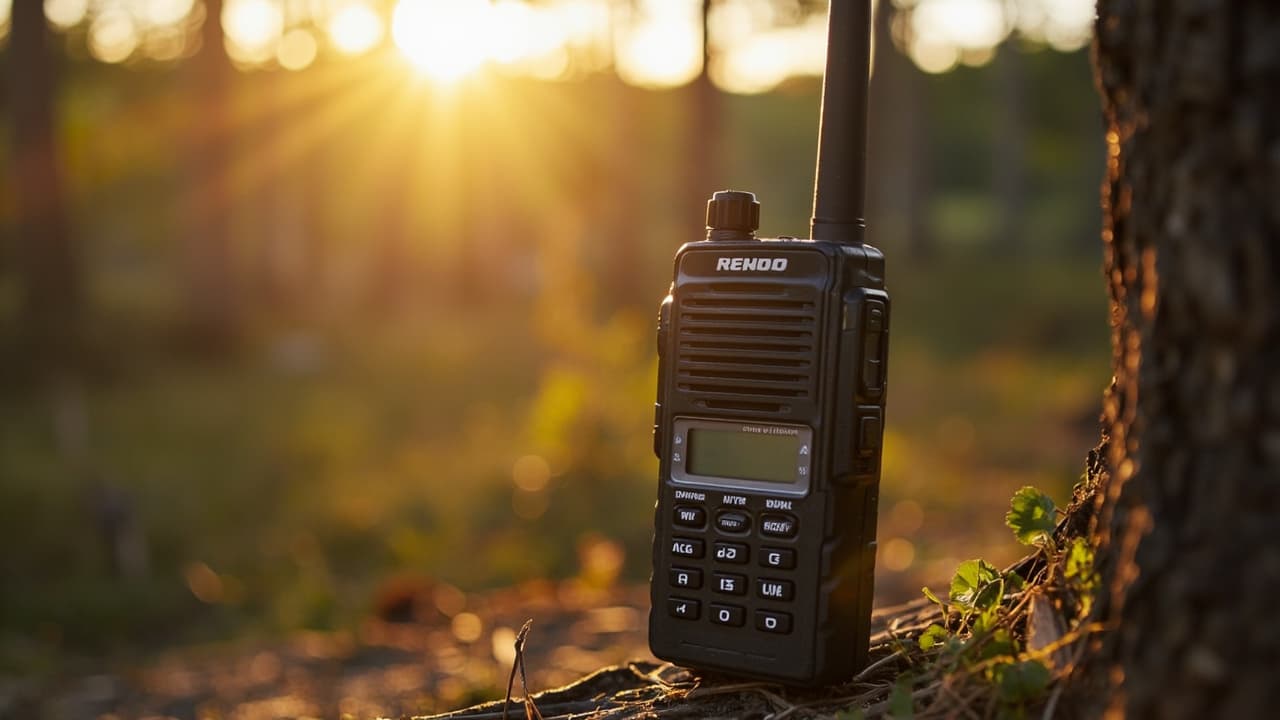
Compare top NOAA weather radios for camping, learn which features actually matter for storm alerts, and choose the right model for your trips.
Best Weather Radios for Camping — Knowing the Storm Is Coming — Quick Comparison

Emergency Weather Radio

Weather Radios Portable AM FM NOAA Alert with Battery Backup
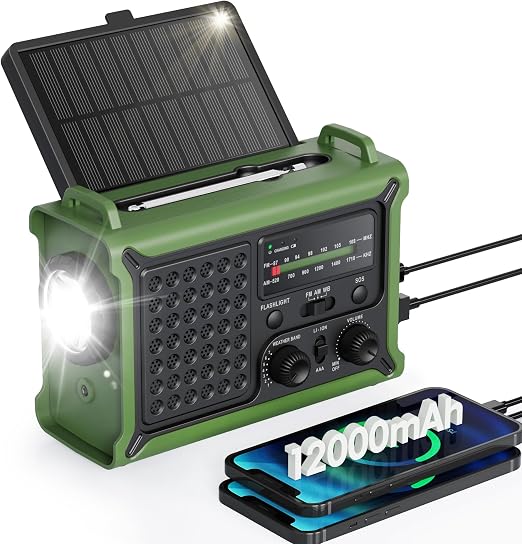
Emergency Weather Radio with Large Solar Panel

FosPower NOAA Emergency Weather Radio A1 7400mWh Solar Hand

Esky Emergency Hand Crank Radio 7400mWh with 3 LED

Emergency Radio Hand Crank Solar
Prices and ratings last checked Sep 1, 2026 and can change at any time. Confirm the current price on Amazon before buying.
A weather radio is the one safety tool you hope you never use, and the one tool that, when you do need it, can change the rest of your trip. Cell coverage at campsites is famously unreliable, and the difference between making camp before a cell and setting up in one often comes down to the alerts that NOAA Weather Radio transmits around the clock. If you camp anywhere that storms are a real possibility — mountain afternoons, desert flash flood country, hurricane-adjacent coasts — a dedicated NOAA weather radio belongs in your kit.
The pitch here is straightforward: a weather radio receives automated, location-specific alerts directly from the National Oceanic and Atmospheric Administration. No app to load, no tower search, no subscription. The radio listens for the 1050 Hz alert tone in the background and wakes up when the National Weather Service issues a watch or warning for your county. That is the feature that matters. Everything else — hand cranks, solar panels, flashlights, phone chargers — is secondary convenience wrapped around the core job of getting that alert to you while you still have time to act.
How to Choose a Camping Weather Radio
The market is crowded with radios that all claim to be emergency-ready. A few features separate the useful ones from the dead weight.
NOAA alert capability is non-negotiable
Any radio you buy for camping should be a true NOAA public alert radio, often labeled "WR-1," "WR-2," or "SAME" capable. SAME — Specific Area Message Encoding — lets you program the radio for your county so it filters out alerts that do not apply to you. Without SAME, the radio alerts for everything in the broadcast area, which sounds like a feature but quickly becomes noise you tune out. Look for radios that say they support SAME programming and have a dedicated weather band button, not just AM/FM with weather tossed in.
Power sources: redundancy matters, but hand-crank is the backup
The radios on this list offer multiple ways to stay powered: rechargeable internal batteries, replaceable AA backups, solar panels, and hand cranks. The internal battery does the real work. Solar keeps the battery topped off on long trips in full sun. Hand crank is the last-resort generator — slow, tiring, useful only when everything else has failed. The editorial line to keep in mind is that hand-crank is a backup, not the point. A radio you have to grind for ten minutes to hear one alert is a radio that may already have failed when you needed it most.
Antenna and reception
A weather radio that cannot pull a usable signal is a brick, no matter how bright the flashlight is. Telescoping antennas, external antenna ports, and a clear indication that the radio can hit NOAA at typical campsite distances from transmitters are worth paying attention to. Many budget emergency radios get middling reviews specifically because their built-in antennas are stubby and fixed.
Alert tone and battery backup
When the broadcast triggers, you want a loud, unmistakable alert — not a quiet chime you will sleep through in a windy tent. Look for radios with adjustable alert volume and a weather alert standby mode that keeps reception running when the unit is otherwise off. Battery backup via replaceable cells is the cheapest insurance there is.
Extras that earn their weight
A flashlight, a reading lamp, a phone-charging bank, and an SOS alarm all have legitimate value at a campsite. The reading lamp and flashlight combinations are genuinely useful for cooking and tent time. Phone charging off the internal battery is a slow trickle at best, but it can be the difference between reaching help and not. SOS alarms and flashing beacons are worth having and add little weight.
Our Picks
1. Emergency Weather Radio, 12000mAh Solar Hand Crank NOAA Radio
The standout in this category for pure storm-readiness. It pairs a true 12,000 mAh internal battery with a substantial 8500mm² solar panel — among the largest you will see on a portable radio — so the unit can sit on a picnic table in afternoon sun and quietly top itself off. NOAA coverage is the headline, with reliable WB reception and a clear alert tone. A 5W flashlight is bright enough to light up a cook tent, and SOS mode plus phone-out charging make it useful well beyond weather duty. For campers who want one radio to do most of the jobs, this is the easy recommendation.
Check the Emergency Weather Radio, 12000mAh Solar Hand Crank NOAA Radio on Amazon
2. Weather Radios Portable AM FM NOAA Alert with Battery Backup 12000mAh
A close cousin to our top pick, with the same 12,000 mAh internal battery class and a quick solar panel rated for fast top-ups. AM/FM/WB coverage is solid, and the reading lamp plus main flashlight combo is one of the better multi-light setups in the category. Battery backup with replaceable cells means the radio stays alive even when the internal pack is depleted — useful on multi-week road trips or during extended power outages at home base. The unit is well suited to RV and car-camping use where size and weight are not critical.
Check the Weather Radios Portable AM FM NOAA Alert with Battery Backup 12000mAh on Amazon
3. Emergency Weather Radio with Large Solar Panel, Real 12000mAh Battery
The "real" in the listing name speaks to a real problem in this market: many radios advertise battery capacity that does not match what is actually inside. This one does, with a genuine 12,000 mAh cell and a large surface-area solar panel to match. NOAA alerting is the core job, with AM/FM/WB bands and SAME-style filtering on alert broadcasts. The LED flashlight and reading lamp are practical, and SOS plus phone charging round out a versatile package. A solid mid-tier pick for campers who want verified capacity rather than marketing claims.
Check the Emergency Weather Radio with Large Solar Panel, Real 12000mAh Battery on Amazon
4. FosPower NOAA Emergency Weather Radio A1 7400mWh Solar Hand Crank
A long-standing name in emergency preparedness and a familiar pick for a reason. Four power options — internal battery, solar, hand crank, and replaceable AAA cells — give this radio the best true redundancy on the list. Capacity is smaller at 7400 mWh, which is enough for a long weekend of standby listening but not a phone-charging session a day. The 4-LED reading light is genuinely well placed for use inside a tent, and the SOS alarm plus main flashlight cover the standard safety set. Best for gram-conscious campers who prize redundancy over capacity.
Check the FosPower NOAA Emergency Weather Radio A1 7400mWh Solar Hand Crank on Amazon
5. Esky Emergency Hand Crank Radio 7400mWh with 3 LED Flashlight
A compact, no-nonsense option that does the basics well at a low weight. The 2000 mAh internal battery is small by the standards of this category but is paired with replaceable AA backup and a hand crank for emergencies. Three-LED flashlight is bright enough for tent duty, and the unit covers AM/FM/NOAA bands cleanly. It is best thought of as a grab-and-go pack radio or a backup kept in the car, rather than the primary alert source for a multi-day stay in cell-dead country. A good second radio to keep alongside a main unit.
Check the Esky Emergency Hand Crank Radio 7400mWh with 3 LED Flashlight on Amazon
6. Emergency Radio Hand Crank Solar, 10000mAh/37000mWh Emergency Weather Radio
A safety-bundle approach that goes beyond the radio itself. Inside the box are the usual items — NOAA/AM/FM radio, hand crank, solar panel, flashlight, phone charger — plus a thermal emergency blanket and a survival whistle/compass bracelet. The 37000 mWh battery claim is large and useful for off-grid phone top-ups, though real-world capacity always falls short of marketing numbers. For campers building a kit from scratch and wanting one package to cover alert, light, signaling, and warmth, this is the most complete bundled pick.
Check the Emergency Radio Hand Crank Solar, 10000mAh/37000mWh Emergency Weather Radio on Amazon
Verdict
If you want one radio to do the job, the 12000mAh Solar Hand Crank NOAA Radio in army green delivers the most useful combination: verified NOAA alerting, a battery large enough to run for days, a solar panel big enough to recharge it, and a flashlight bright enough to replace a small lantern. The FosPower A1 remains the right pick for anyone whose priority is true redundancy across four power sources, even if it means accepting lower battery capacity. The bundled Emergency Radio Hand Crank Solar is the best one-box option for first-time kit builders.
Whichever you choose, do one thing before your first trip: program the radio to your county's SAME code, run through one full NOAA broadcast to confirm reception at your usual sites, and learn what the watch-versus-warning tone differences sound like. A weather radio you have not set up properly is just an expensive flashlight.
Related guides: Affordable Rain Gear for Camping · How to Camp in Rain and Still Have a Great Time · Best Solar Chargers for Camping — What Actually Charges a Phone