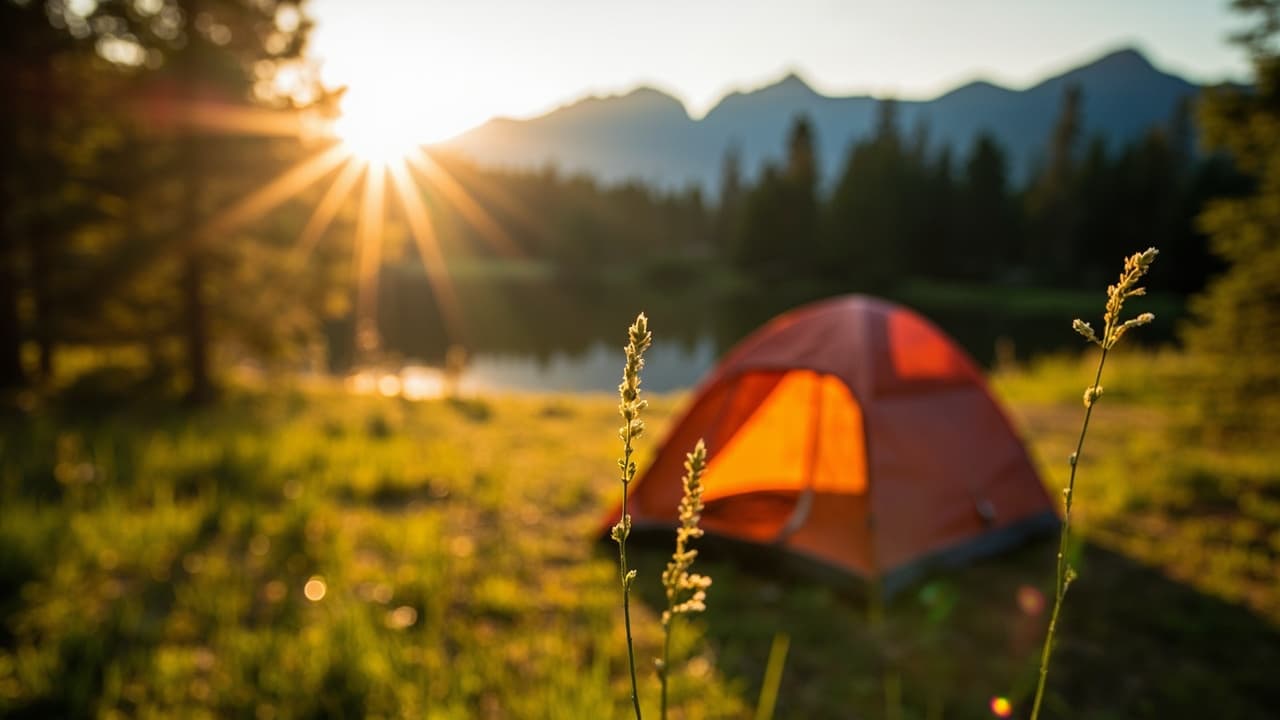
Learn how permethrin and DEET differ, what actually protects against ticks and mosquitoes this spring, and how to choose the right prevention strategy for your trip.
Camping Bug + Tick Prevention for Spring — Permethrin, DEET, and What Actually Works — Quick Comparison

OFF! Deep Woods Tick & Mosquito Repellent Bug Spray

Repel Sportsmen Max Mosquito & Insect Repellent 6.5 Oz

TickCheck Tick Remover Value 3 Pack
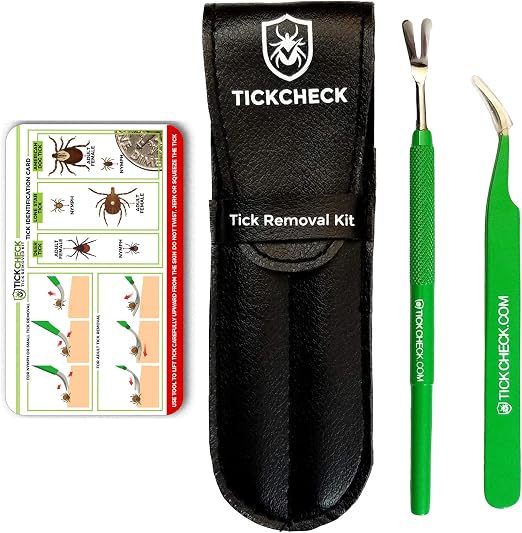
TickCheck Premium Tick Remover Kit

OFF! Deep Woods Mosquito and Insect Repellent Wipes

Boogie Insect Repellent Lotion for Mosquitoes
Prices and ratings last checked Oct 7, 2026 and can change at any time. Confirm the current price on Amazon before buying.
Spring camping brings warming temperatures, wildflower meadows, and hungry insects. Mosquitoes wake up early, biting flies patrol creek crossings, and tick activity ramps up as humidity rises. The good news: planning a layered defense is straightforward, and the gear is affordable. This guide walks through how to think about bug and tick prevention, what DEET and permethrin actually do, and the products worth packing for spring trips.
Why Spring Bugs Are a Real Problem
Tick encounters spike in shoulder seasons. Cool mornings plus damp leaf litter create ideal conditions for nymphal ticks, which are tiny and easy to miss. Mosquitoes also breed aggressively when standing water reappears across thawed ground. Bites are more than an annoyance. Tick-borne illnesses like Lyme and anaplasmosis are vectored by prolonged attachment, and mosquitoes can transmit West Nile virus in many regions. Effective prevention is about reducing biting pressure and shortening any tick contact that does happen.
How to Choose the Right Defense
Three factors drive the right choice: environment, exposure time, and skin sensitivity.
Skin coverage matters more than bottle strength. A 40 percent DEET formula on a wrist is outperformed by a 20 percent formula applied to every exposed skin surface. Walk the campsite and your clothing with the bottle, not just a single mist.
Pick a repellent based on the dominant pest. DEET and picaridin both work well against mosquitoes and ticks. Highly concentrated DEET formulations handle biting flies and gnats that tolerate weaker options. For those who prefer a DEET alternative or want to avoid the smell, oil of lemon eucalyptus and IR3535 repel mosquitoes well but are weaker on ticks.
Add a second layer on clothing. Insect repellents wash off in sweat and rain. Treating clothing with permethrin creates a contact killer that lasts weeks and keeps ticks, mosquitoes, and chiggers off fabric. Permethrin is applied to clothing, not skin, and is the single most effective step for tick prevention.
Plan for removal. Even with strong prevention, ticks still hitch rides. A dedicated tick removal tool costs less than a meal at a trailhead and dramatically reduces the chance of leaving mouthparts behind. Choose a tool that grips the head without squeezing the body.
Consider how you carry it. Aerosol cans are fast but bulky. Wipes slip into a hipbelt pocket and are perfect for reapplication on a sweaty neck. Lotions stick to skin and resist sweat. For longer trips or family camping, stash multiple formats.
The Picks
1. Off! Deep Woods Insect Repellent Aerosol
If you want a single, well-known spray that handles mosquitoes and ticks in wooded campsites, this is the dependable all-rounder. The aerosol format covers a lot of ground quickly, which makes it easy to treat pant cuffs, socks, and shirt collars before a hike. It is also useful for spraying the outside of a backpack, a common attachment point for ticks cruising along gear. Keep it away from nylon tent fabric and treated rain shells, since the solvent can damage certain materials. For maximum coverage, spray clothes in a ventilated area and let them dry before wearing.
Check the Off! Deep Woods Insect Repellent Aerosol on Amazon
2. Repel Sportsmen Max 40% DEET, 3 Pack
For serious exposure — think swampy campsites, dense brush, or extended backcountry routes — a higher-concentration DEET formula earns its weight. The 40 percent formula works through sweat and stays effective for hours, and the three-pack format is economical for families or groups heading out across an entire season. Apply concentrated DEET only to exposed skin and the outside of clothing, and avoid the wrist and neck if you sleep in a hot tent, as the smell can drift indoors. Pair it with permethrin-treated clothing for the strongest combination against ticks and mosquitoes.
Check the Repel Sportsmen Max 40% DEET on Amazon
3. Tick Remover Tool 3 Pack + Identification Card
A simple, lightweight tick removal tool is the single most important non-repellent item in your kit. This three-pack covers humans, dogs, and other family members without needing to share one tool across the group. The included identification card helps distinguish deer ticks from dog ticks and other species, which matters because the pathogens they carry differ by region. Use the tool to slide under the tick's head and lift straight up rather than twisting, then disinfect the bite and wash hands. Stash one in your pack, one in the kitchen box, and one in the vehicle.
Check the Tick Remover Tool 3 Pack on Amazon
4. Premium Tick Remover Kit with Tweezers and Leather Case
For guides, trip leaders, or anyone who wants a more complete field kit, a premium set with tweezers and a leather case is a smart upgrade. Fine-tipped tweezers let you grab small nymphs that are easy to miss with the eye alone, and the leather case protects the tools while keeping them clean. The included pocket tick identification card slips easily into a wallet or first-aid kit. This is also a thoughtful piece of gear for trips with kids, since tick checks happen at the end of every day and a small, organized kit makes the routine faster.
Check the Premium Tick Remover Kit on Amazon
5. OFF! Deep Woods Repellent Wipes
Wipes fill the gap that sprays cannot. They are perfect for reapplication on a damp forehead, treating a forgotten spot like the back of a neck, or handing around a campfire without passing a bottle. Individually wrapped wipes stay effective in a hot car and pack down to the size of a single sugar packet, so they vanish into a hipbelt pocket or ditty bag. They are also great for the outhouse hand-wash station after a long day on the trail. Bring a handful for multi-day trips and a full pack for groups.
Check the OFF! Deep Woods Repellent Wipes on Amazon
6. Boogie Insect Repellent Lotion (DEET Alternative)
Some campers prefer to avoid DEET, and a lotion format is the right call for face, ears, and the back of the neck. This lotion spreads evenly across sensitive skin and stays put when you sweat, with a long protection window and a fragrance-free formula that works well for families. It is gentler than sprays around the eyes and won't drift toward a campfire. Tick performance is not as strong as DEET, so pair it with permethrin-treated clothing and a tick removal tool as a backup.
Check the Boogie Insect Repellent Lotion on Amazon
The Field Routine That Actually Works
A consistent routine is what separates a bite-free trip from a week of itching. Treat clothing with permethrin a few days before the trip so it has time to bond to fabric. On the trail, apply repellent to exposed skin at the start of the day and reapply every few hours or after a soaking. Tuck pant cuffs into socks in tall grass and brush. At camp, do a full-body tick check at dusk and again in the morning. Check kids, dogs, and the inside of the truck bed. Do a final check of gear before loading up, since ticks ride home on packs and sleeping bags.
If a tick is attached, remove it promptly with a dedicated tool or fine-tipped tweezers, grasping the head as close to the skin as possible and pulling straight up with steady pressure. Clean the bite, wash hands, and save the tick in a small bag with the date in case a doctor asks for identification later. Watch for any rash or flu-like symptoms in the weeks following the trip and contact a clinician if either appears.
Verdict
For most spring campers, the layered approach is the most reliable. Pair permethrin-treated clothing with a 40 percent DEET spray for the strongest base, then carry wipes for reapplication and a tick removal tool for the inevitable hitchhiker. Use a high-concentration aerosol for fast coverage of socks and pant cuffs. Add a DEET-free lotion for sensitive skin and kids. Keep a tweezer-based kit in the first-aid pouch for proper removal. With this combination, you will spend less time swatting and more time enjoying the spring woods.
Related guides: Best Budget Tents Under $100 · Best Camping First Aid Kits Under $50 · Affordable Rain Gear for Camping
Keep reading