
Find out how sleeping bag liners trap body heat to add warmth, which materials insulate best, and which options are actually worth buying for your setup.
Sleeping Bag Liners — The Cheapest Way to Add Warmth — Quick Comparison

Sea to Summit Reactor Insulated Sleeping Bag Liner

Litume Fleece Sleeping Bag Liner for Cold Weather

REDCAMP Fleece Sleeping Bag Liner for Adult
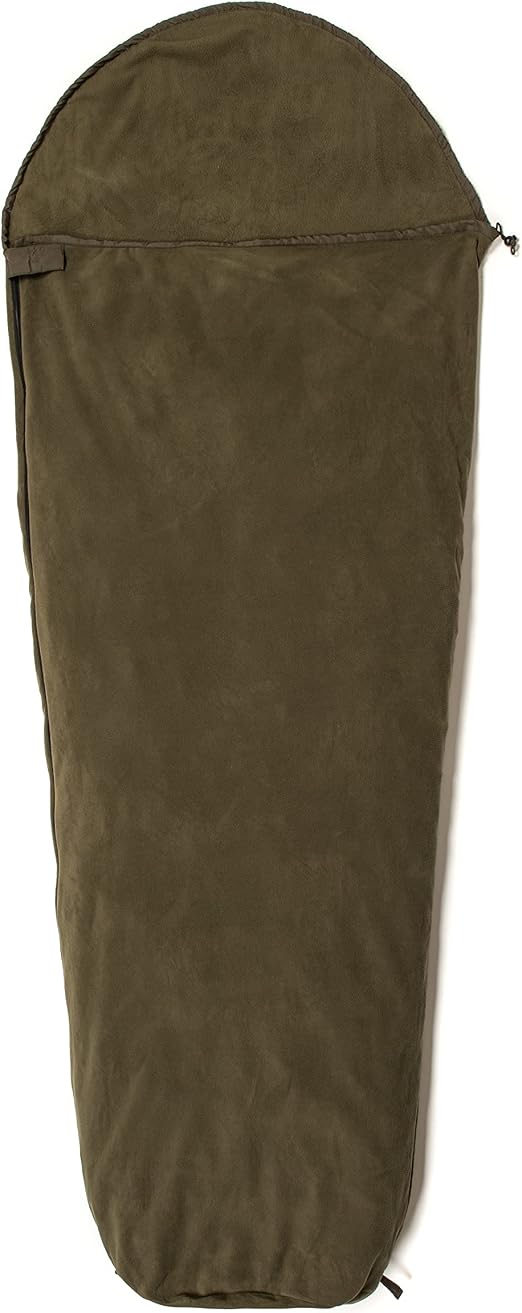
Snugpak Fleece Sleeping Bag Liner with Side Zip

Mixweer 3 Pcs Fleece Sleeping Bag Liner for Adult Warm

Sleeping Bag Liner
Prices and ratings last checked Oct 9, 2026 and can change at any time. Confirm the current price on Amazon before buying.
A sleeping bag liner is the single most underrated upgrade in budget camping. It adds a measurable warmth boost inside your existing bag, keeps the inside of the bag cleaner (which means your bag's insulation actually works for longer), and on warm nights it can stand alone as a sleep sheet in hostels, huts, or summer campgrounds. If you already own a bag that feels a little chilly at 3 a.m., a liner is almost always cheaper than replacing it.
This guide walks through how sleeping bag liners work, what materials actually add warmth, and which options are worth your attention.
How Liners Add Warmth (and Why Material Matters)
A liner doesn't generate heat — it traps the heat your body already produces. The trapped air between the liner fibers and your bag's insulation is the insulating layer, and the better the liner holds that air, the warmer you sleep.
Three materials dominate the category:
- Silk is the lightest and most compact. A silk liner adds a modest amount of warmth but excels at packing small, weighing little, and feeling cool against the skin in warm weather. It's the classic travel and thru-hiker choice.
- Fleece is the warmest common option. Fleece fibers create a deep, fuzzy loft that holds a lot of still air, so a fleece liner can meaningfully extend the temperature range of a cool-weather bag. The trade-off is bulk and weight.
- Synthetic blends and polyester knits sit between silk and fleece. They breathe better than fleece, pack smaller, and add a moderate amount of warmth. They're also typically the most affordable.
Shape matters too. Mummy liners follow the taper of a mummy bag and save weight. Rectangular liners feel roomier, work as a stand-alone sheet, and zip around you more easily. A hooded liner adds another warmth boost at the head and shoulders, which is where most heat loss happens.
How to Choose the Right Liner
Start with the climate you actually camp in. If your nights rarely drop below 50°F, a thin synthetic or silk liner is plenty, and it doubles as a hygiene sheet in hostels. If you camp into the 30s and 40s, a fleece liner is the more useful tool. Below freezing, a liner helps but shouldn't be your only warmth strategy.
Then think about:
- Weight and pack size. Fleece liners are warm and cozy but they eat backpack space. Silk and thin synthetics compress to about the size of a soda can.
- Zipper and hood. A full-length side zipper makes the liner behave like a real bag. A drawstring hood seals in heat around your head. Both are worth having if you sleep cold.
- Length. Liners run roughly 73 to 75 inches long. If you're tall, look specifically for an extra-long version rather than assuming any liner will fit.
- Care. Fleece and synthetic liners are usually machine washable, which matters because a liner absorbs sweat and body oils that slowly degrade the loft of your sleeping bag.
If you only camp a few times a season and want one liner that does everything, a fleece mummy with a hood is the most flexible pick. If you backpack, a silk liner earns its place by weight alone.
The Picks
1. Sea to Summit Reactor Insulated Sleeping Bag Liner
The Sea to Summit Reactor is the benchmark synthetic liner. It uses a hollow-core fiber construction that adds real warmth without the bulk of fleece, and it slips cleanly into a mummy bag. The hood has a drawcord, there's a foot box, and it packs into its own small stuff sack. It's lighter and smaller than a fleece option, warmer than a basic silk liner, and it handles years of machine washing without pilling into nothing. If you want one liner that works across three-season backpacking, hut trips, and hostels, this is the safe pick.
Check the Sea to Summit Reactor Insulated Sleeping Bag Liner on Amazon
2. Litume Fleece Sleeping Bag Liner for Cold Weather
This is a purpose-built cold-weather fleece mummy with a drawstring hood. The brand rates it as adding a significant temperature boost, which tracks for a thick fleece with a sealed head opening. The polyester fleece is soft against the skin, machine washable, and structured to keep the liner centered around you rather than twisting overnight. It's the right choice for car campers and cabin sleepers who camp into the shoulder seasons and want a familiar, blanket-like feel without buying a whole new winter bag.
3. REDCAMP Fleece Sleeping Bag Liner
REDCAMP's fleece liner is the rectangular, full-zip option. The 75-inch length fits most adults, and the full-side zipper turns the liner into a standalone sleep sack you can throw on a cot or use as an extra blanket. It comes with its own storage bag, and the rectangular cut gives you room to move your legs — something mummy liners don't. This is the pick for campers who want maximum versatility and don't want to feel constricted.
4. Snugpak Fleece Sleeping Bag Liner with Side Zip
Snugpak makes gear for cold, damp conditions, and this fleece liner reflects that. It's a heavier, denser fleece than budget options, with a side zip and a shape that works inside a mummy bag. The denser knit holds more warm air per inch, which is the whole point of paying a bit more for a fleece liner. If you've been disappointed by thin, floppy fleece liners that compress flat under your body weight, this one keeps its loft.
Check the Snugpak Fleece Sleeping Bag Liner with Side Zip on Amazon
5. Mixweer 3 Pcs Fleece Sleeping Bag Liner
The Mixweer set ships three fleece liners in a single order, which is the whole reason to consider it. If you camp with a partner or a family, having a dedicated liner for each person stops everyone from borrowing and sweating into the same one. Each liner is rectangular, 75 inches long, with a full zipper and a storage bag, and the fleece is rated for a meaningful warmth boost in cool weather. Bulk buyers who want a liner for the truck, the cabin, and the guest kid get serious value here.
6. Lightweight Travel Sheet Sleeping Bag Liner
This is the budget, breathable travel sheet at the bottom of the list. The fabric is a soft, airy knit that breathes well in summer, packs flat, and works as a hygiene layer in hotels and hostels where you don't trust the bedding. The full-length zipper is a real zipper, not a flimsy overlap, and the whole thing is light enough to live in your pack year-round. It isn't a warmth powerhouse, but that's the point — use it when it's warm, leave it at home (or send it to the bottom of the pack) when it's not.
How to Use a Liner Effectively
A liner works best when there's still some loft in your sleeping bag. If your bag has been compressed for years and the fill is matted, no liner will rescue it. Air out your bag after every trip and store it loosely.
On cold nights, wear dry base layers to bed. Moisture is the enemy of insulation, and a liner can make you feel clammy if you're sweating into it. The classic mistake is over-bundling and arriving at the bag already damp. Cool down before you climb in, then let the liner and bag trap the heat you generate.
If you're trying to extend the range of a three-season bag into real cold, combine a fleece liner with a closed-cell foam pad underneath you. Ground warmth loss is a separate problem from bag warmth, and a thin liner won't fix a sleeping pad with no R-value.
Verdict
For backpackers and travelers who want one liner for everything, the Sea to Summit Reactor is the strongest all-around pick. For cold-weather campers who want maximum warmth without buying a new winter bag, the Litume or Snugpak fleece liners do the job. The REDCAMP and Mixweer options are the right call for families, gear loaners, and anyone who wants a standalone sleep sack at the campsite. The lightweight travel sheet belongs in the pack of anyone moving between hostels, huts, and warm-weather camping.
A liner isn't glamorous, but it's the cheapest way to make a bag warmer, cleaner, and more useful across more conditions. Pick the material that matches your climate and let the bag you already own do the rest.
Related guides: How to Stay Warm Camping — The Layers and the Mistakes · Best Budget Sleeping Bags for Cold Weather · Best Camping Blankets Under $40 — Warmth You Can Throw in the Truck
Keep reading